In today’s digital economy, businesses are transforming rapidly through intelligent systems powered by automation and artificial intelligence (AI). These advanced technologies go beyond simple task automation. They analyze data, make decisions, learn from patterns, and continuously improve performance.
For beginners, the concept may seem technical. However, understanding how smart technologies operate is essential because they are shaping modern business operations, healthcare innovation, finance, and everyday digital experiences.
This guide explains what intelligent systems are, how they function, why they matter, and how organizations can implement them effectively.
Understanding Intelligent Systems in Modern Automation
An intelligent system is a computer-based solution that combines AI, machine learning, analytics, and automation to perform tasks that normally require human judgment.
Intelligent systems are computer-based platforms equipped with AI algorithms that can perform tasks normally requiring human intelligence, such as data analysis or decision-making, helping organizations automate complex processes. According to a technical overview on intelligent systems in AI, these technologies span from robotics and data analysis to adaptive automation solutions that enhance operational performance.
Unlike basic automation, which follows fixed instructions, AI-driven platforms can:
- Analyze large datasets
- Detect patterns
- Make informed decisions
- Adapt to new information
- Improve performance over time
In simple terms, these technologies combine automation with decision-making capabilities.
Examples include:
- Recommendation engines in e-commerce
- Fraud detection software in banking
- AI chatbots in customer service
- Smart traffic management systems
Each example demonstrates how intelligent technologies enhance efficiency and responsiveness.
How AI-Powered Systems Work?
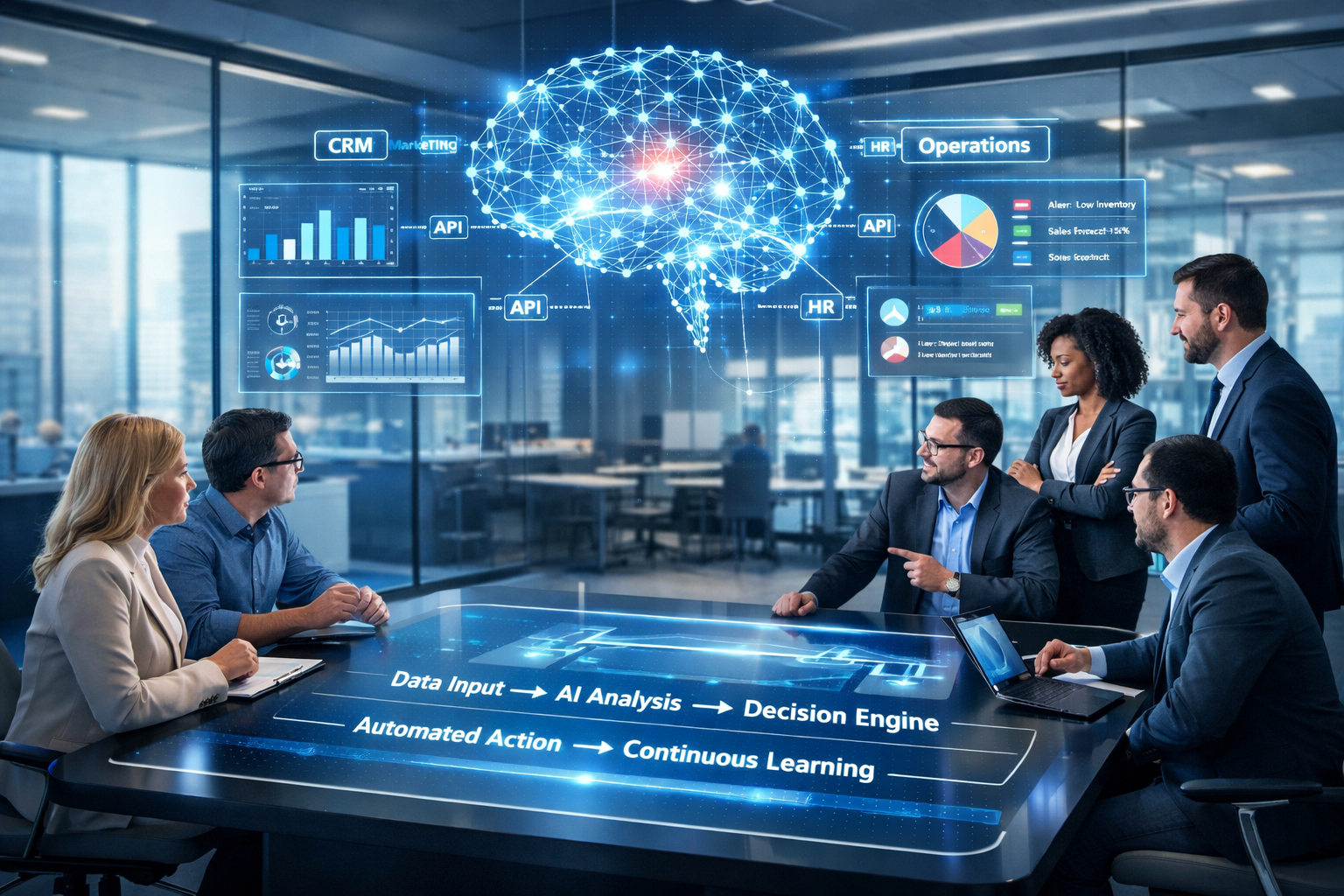
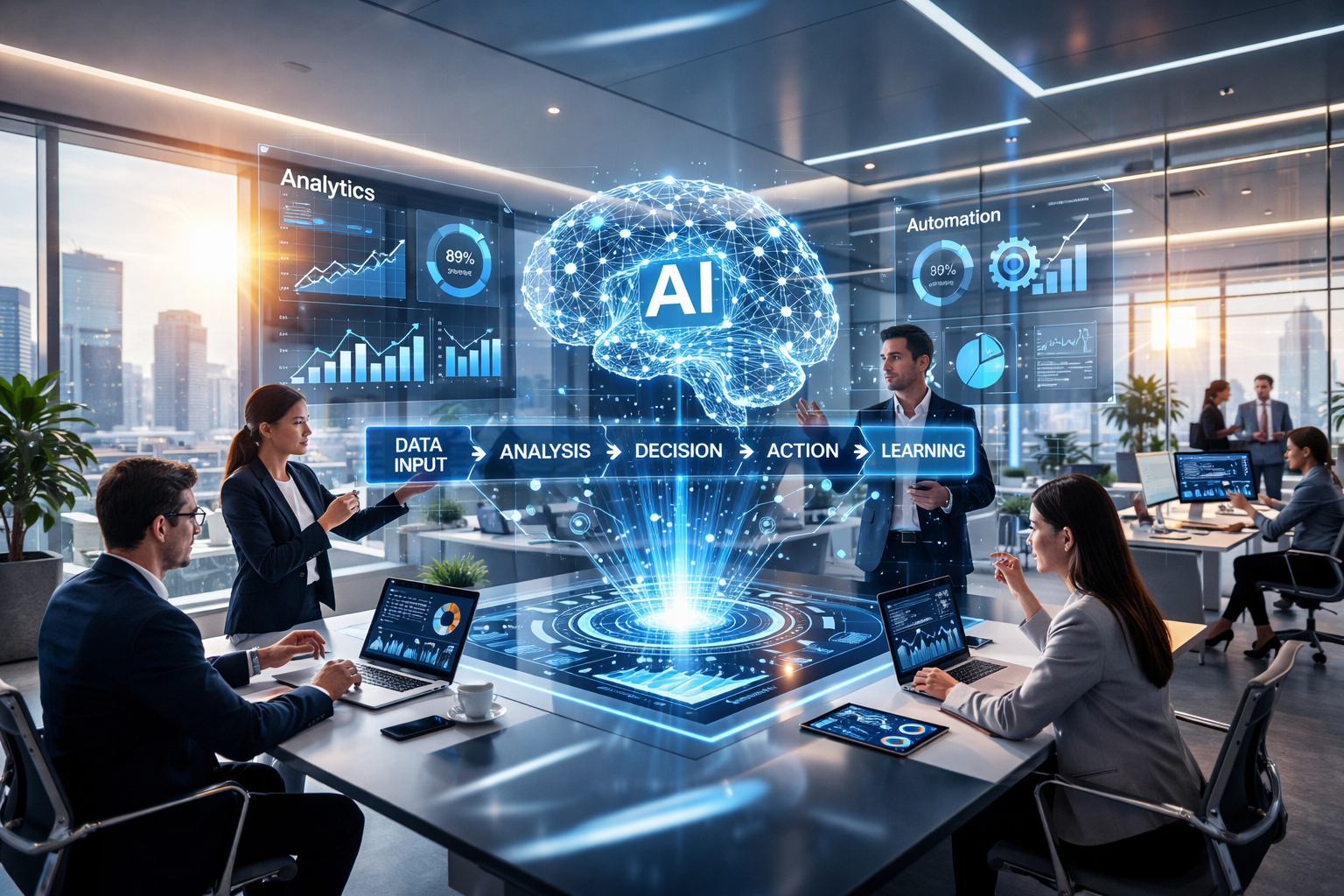
To understand intelligent systems better, break them into four core components.
1. Data Collection
All smart automation platforms rely on quality data. Sources may include:
- User interactions
- Sensors and IoT devices
- Transaction records
- Cloud databases
Accurate data ensures reliable outputs.
2. Data Processing and Analysis
Machine learning algorithms analyze patterns and relationships within collected information.
3. Decision-Making Logic
Based on learned patterns, the system makes predictions or recommendations. For example:
- Approving or flagging transactions
- Routing support tickets
- Adjusting pricing dynamically
4. Continuous Learning
A major advantage of intelligent systems is learning capability. As new data enters the system, models refine predictions and improve accuracy.
Intelligent Systems vs Traditional Automation
It is important to distinguish AI-driven systems from simple automation tools.
| Traditional Automation | Intelligent Systems |
|---|---|
| Rule-based execution | Data-driven decision-making |
| Fixed instructions | Adaptive learning |
| Limited flexibility | Continuous improvement |
| No prediction | Predictive capabilities |
Traditional automation executes predefined commands. Intelligent platforms interpret data and optimize outcomes.
The Role of Artificial Intelligence in Smart Technologies
Artificial intelligence enables machines to simulate cognitive functions such as reasoning and problem-solving.
Core AI technologies include:
- Machine learning
- Natural language processing (NLP)
- Computer vision
- Predictive analytics
- Neural networks
These technologies allow systems to understand speech, recognize images, forecast demand, and personalize recommendations.
AI transforms structured automation into dynamic optimization.
Benefits of Intelligent Systems in Business
Organizations implementing intelligent systems gain measurable advantages.
Higher Operational Efficiency
Processes run faster with minimal human intervention.
Data-Driven Decisions
Leaders rely on analytics rather than assumptions.
Reduced Costs
Automated analysis lowers administrative workload and manual review time.
Scalability
AI-powered platforms handle growth without proportional staffing increases.
Enhanced Customer Experience
Personalized recommendations and faster service increase satisfaction and loyalty.
These advantages explain why AI-driven systems are central to digital transformation strategies.
Real-World Applications of Intelligent Technologies
Intelligent systems now operate across multiple industries.
Healthcare Innovation
- Predictive diagnostics
- Patient monitoring
- Treatment recommendation engines
Financial Services
- Fraud detection
- Risk modeling
- Algorithmic trading
Retail and E-commerce
- Product recommendations
- Demand forecasting
- Inventory optimization
Manufacturing
- Predictive maintenance
- Quality inspection using computer vision
- Smart supply chain analytics
Human Resources
- Resume screening
- Talent analytics
- Workforce performance tracking
These examples highlight how AI-enabled platforms improve decision accuracy and efficiency.
Key Technologies Powering Intelligent Systems
Understanding the foundation of intelligent systems clarifies their capabilities.
Machine Learning
Allows systems to learn from historical data and improve predictions.
Natural Language Processing
Enables machines to understand and generate human language.
Computer Vision
Allows software to analyze images and video content.
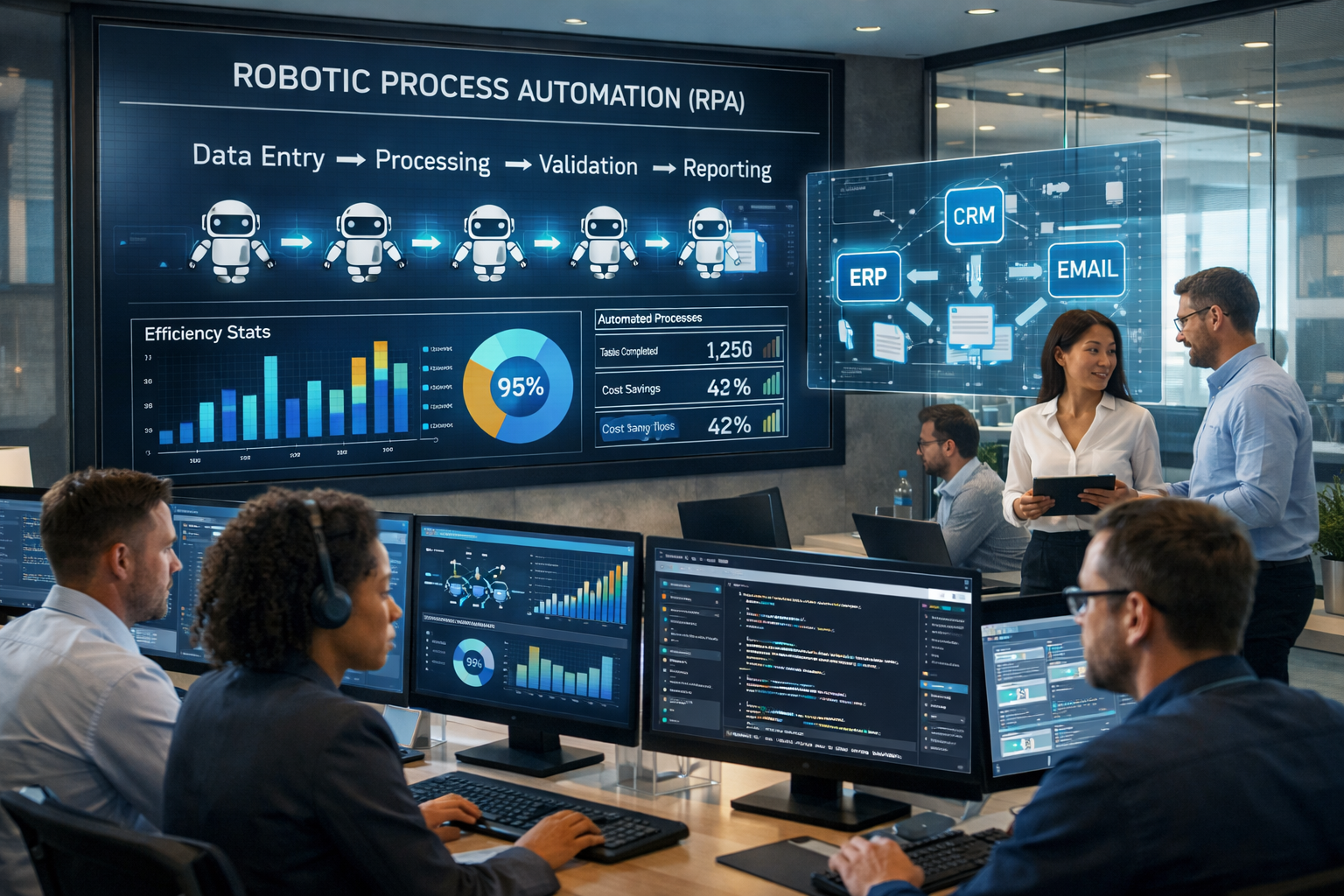
Robotic Process Automation (RPA)
Automates structured digital tasks and integrates with AI decision engines.
Together, these technologies create powerful digital ecosystems.
Challenges in Implementing Intelligent Systems
Despite strong benefits, organizations must address several challenges.
Data Quality Management
Inaccurate data reduces model reliability.
Integration Complexity
New AI solutions must connect with existing systems.
Ethical and Bias Concerns
Algorithms must be designed to avoid discrimination and ensure fairness.
Cybersecurity Risks
Sensitive data must be protected against threats.
Proper governance and planning reduce these risks significantly.
How to Implement Intelligent Systems Successfully?
A structured roadmap improves adoption outcomes.
Identify High-Impact Opportunities
Focus on processes that:
- Involve repetitive decision-making
- Use large datasets
- Benefit from predictive insights
Prepare Data Infrastructure
Ensure data is clean, structured, and accessible.
Select Scalable AI Tools
Choose platforms compatible with current systems.
Start with a Pilot Project
Test one use case before full-scale deployment.
Monitor and Optimize Continuously
Evaluate performance metrics and refine models over time.
Gradual implementation increases long-term success.
The Future of Intelligent Systems and AI
The future of intelligent systems includes:
- Autonomous business operations
- Real-time predictive analytics
- AI-powered executive assistants
- Self-optimizing supply chains
- Hyper-personalized digital experiences
As AI evolves, smart systems will become even more adaptive and self-improving.
Organizations that invest early in these technologies will secure sustainable competitive advantages.
Final Thoughts
Intelligent systems represent the next evolution of automation and AI integration. By combining analytics, machine learning, and adaptive decision-making, they enable smarter operations across industries.
For beginners, the key takeaway is simple:
These AI-driven platforms do more than automate tasks — they analyze, learn, and improve continuously.
As digital transformation accelerates, understanding intelligent systems becomes essential for innovation, efficiency, and long-term growth.