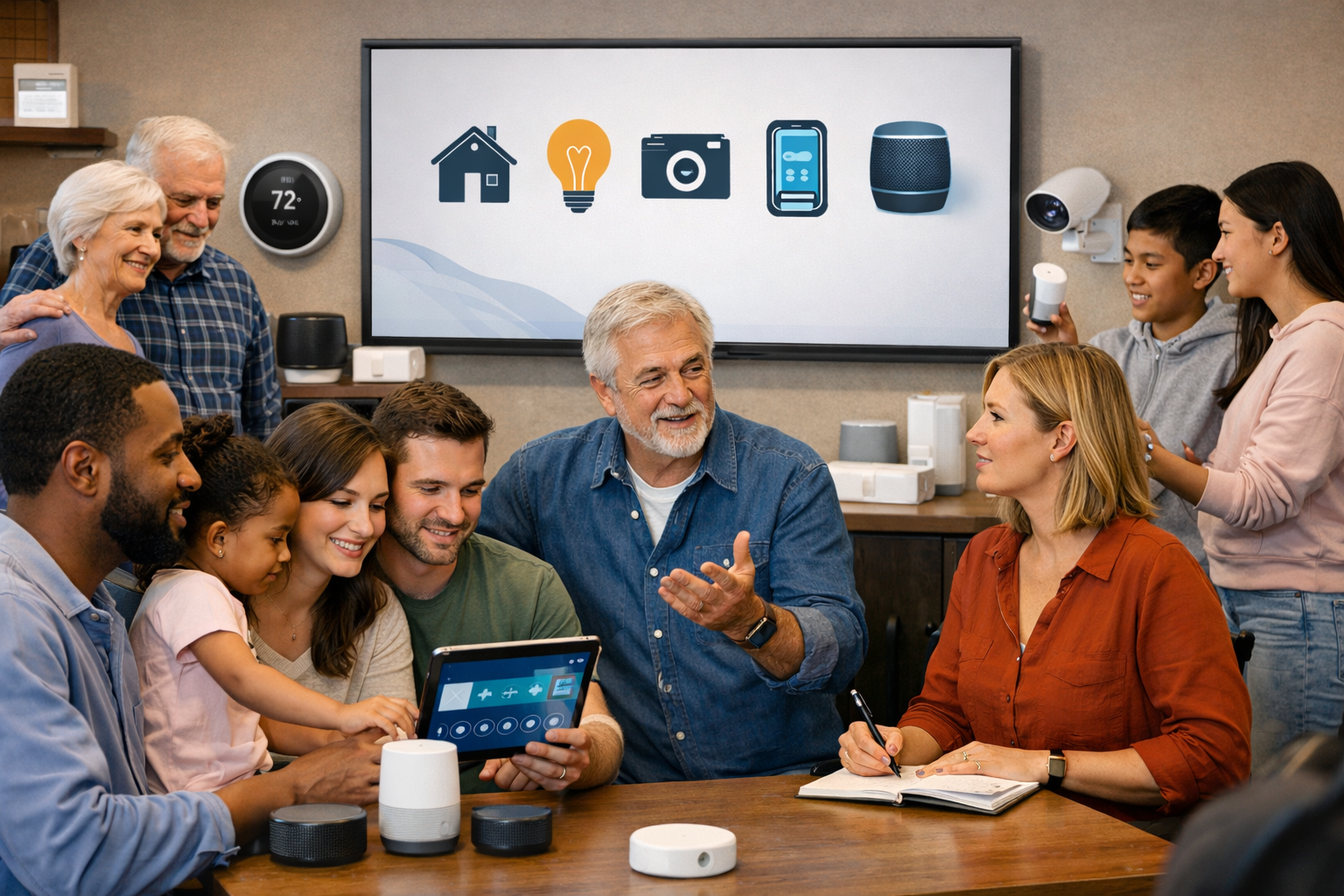
Connected devices are no longer futuristic concepts. Today, smart speakers respond instantly to voice commands, thermostats adjust automatically, and wearable devices monitor health in real time. These innovations fall under the growing field of Consumer IoT, a branch of IoT & Connected Technology designed specifically for everyday users.
This guide explains how connected consumer devices work, the technologies behind them, their benefits, security considerations, and what the future holds.
What Is Consumer IoT?
Consumer IoT refers to internet-connected devices built for personal and household use. These devices collect data, communicate over networks, and often rely on cloud systems for processing and remote access.
Consumer IoT refers to internet-connected devices built for personal and household use. These devices collect data, communicate over networks, and often rely on cloud systems for processing and remote access. If you want a detailed explanation, see this introductory guide to consumer IoT for a deeper overview of how smart devices connect and automate everyday life.
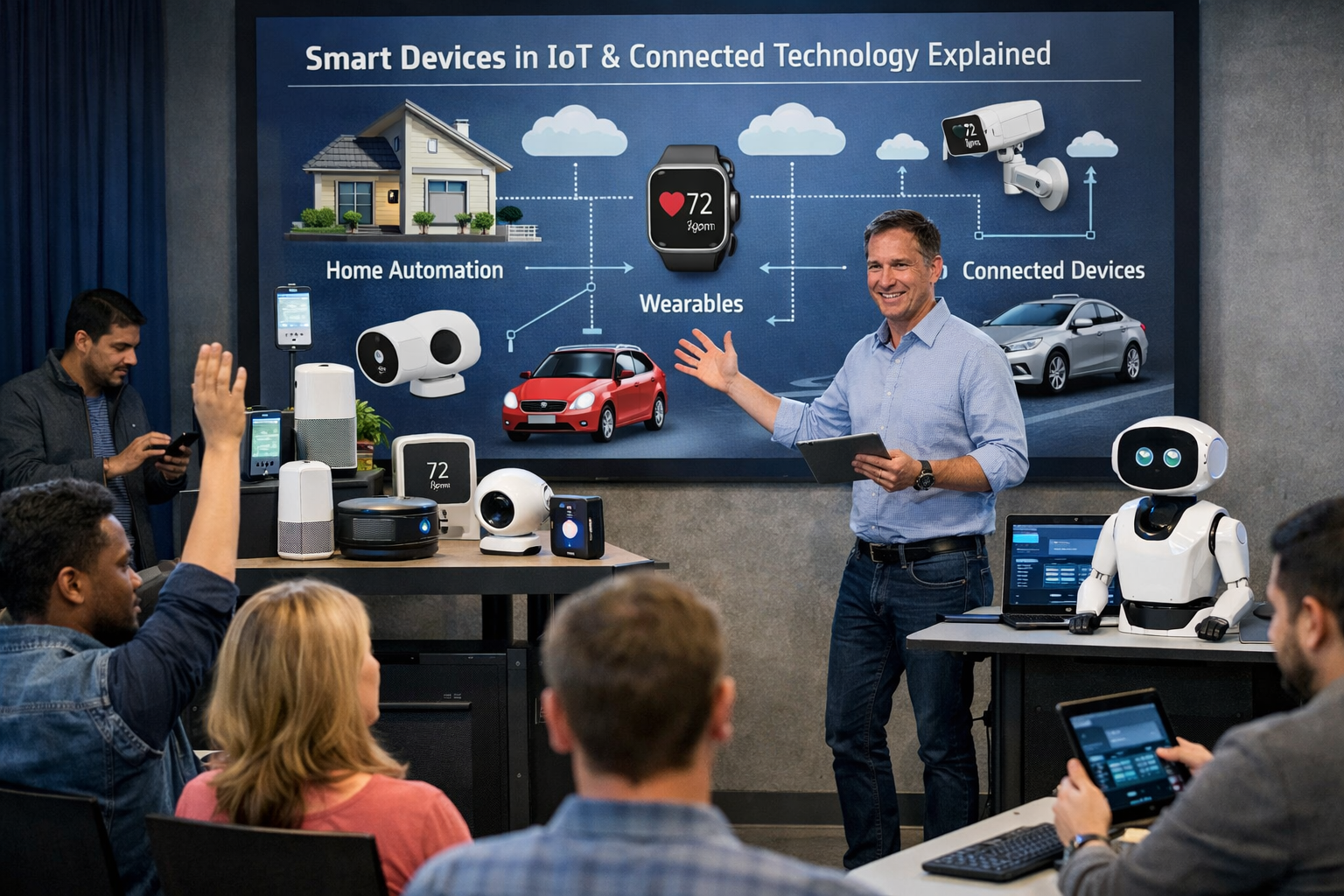
Unlike industrial systems used in manufacturing or logistics, consumer-focused connected technology emphasizes convenience, automation, and lifestyle enhancement. Examples include:
- Smart home assistants
- Wearable fitness trackers
- Connected thermostats
- Smart lighting systems
- Home security cameras
- Intelligent appliances
The main goal is to make physical objects interactive, data-driven, and remotely manageable.
How Connected Devices Work?
Although products vary, most follow a similar operational structure.
1. Sensors and Embedded Systems
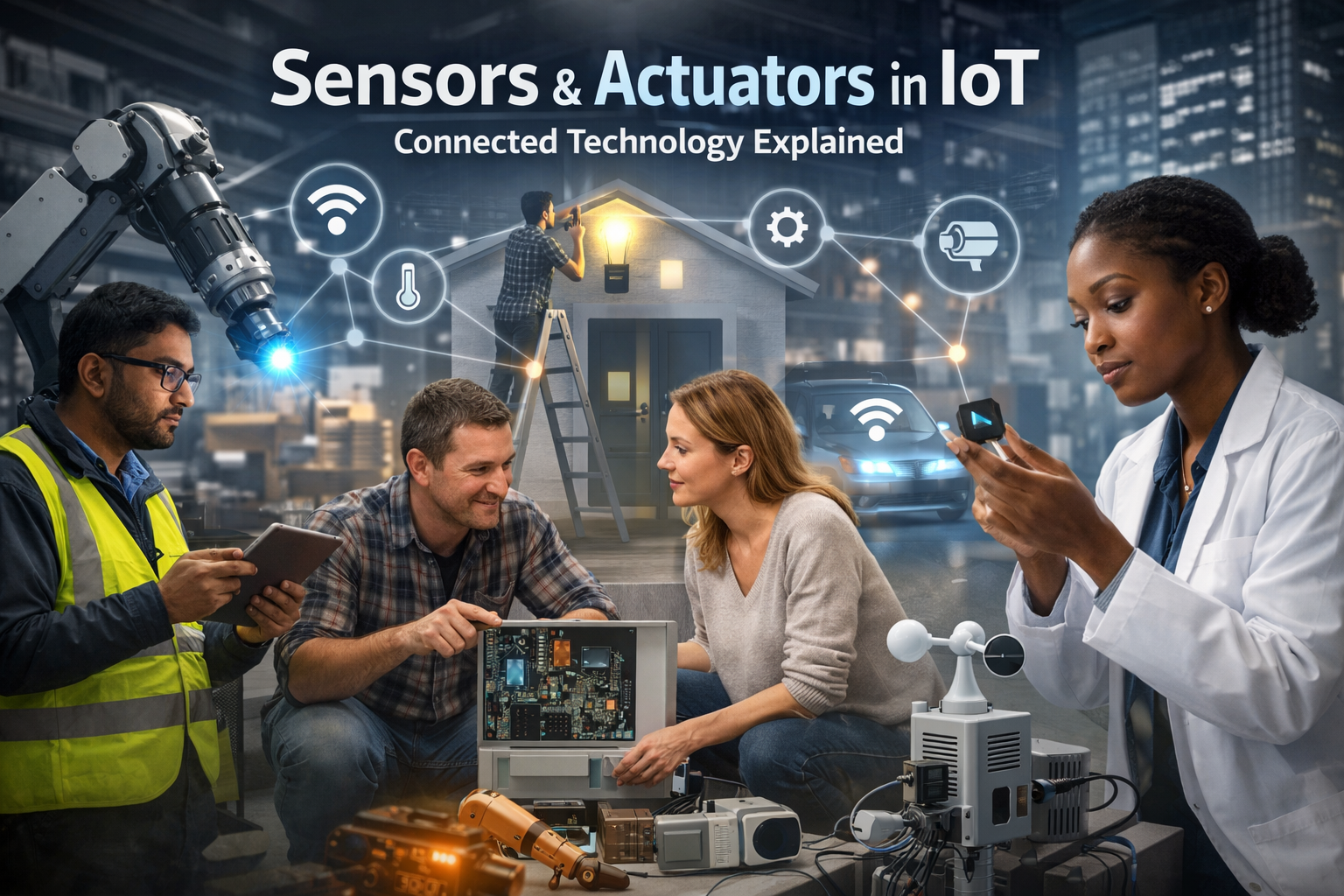
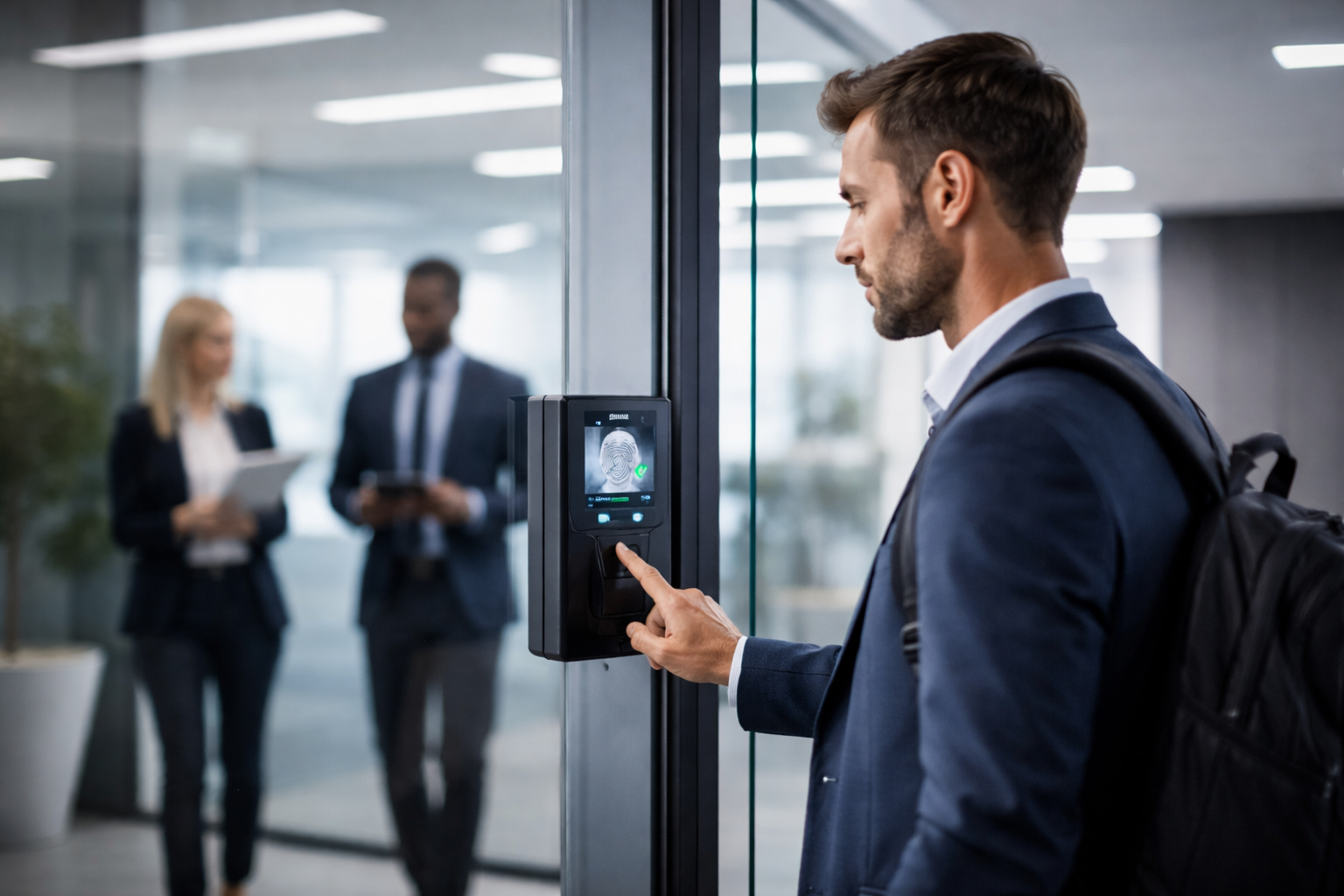
Each device contains sensors that gather environmental data. Temperature sensors, motion detectors, cameras, microphones, and biometric trackers convert physical signals into digital information.
An embedded processor inside the device runs firmware that determines how it reacts to that data.
2. Connectivity Layer
Devices transmit data through communication protocols such as:
- Wi-Fi
- Bluetooth
- Zigbee
- Cellular networks
- Thread
This connectivity enables devices to send updates to mobile apps or cloud servers.
3. Cloud and Edge Processing
Many systems use cloud computing to store and analyze information. However, edge computing is becoming more common. With edge processing, data is analyzed directly on the device, reducing latency and improving response time.
For example, a smart security camera can detect motion locally before sending a notification.
4. User Interface
Users interact through mobile applications, dashboards, or voice assistants. These interfaces allow scheduling, monitoring, automation, and manual control.
Technical Architecture Overview
Most smart ecosystems follow a layered architecture:
Device Layer
Includes sensors, actuators, and microcontrollers.
Network Layer
Handles data transmission between devices and servers.
Processing Layer
Performs analytics either in the cloud or locally at the edge.
Application Layer
Provides the user-facing interface for control and monitoring.
Understanding this structure helps beginners see how a single device fits into a broader connected ecosystem.
Common Applications in Everyday Life
Smart Homes
Smart homes represent one of the fastest-growing categories of connected technology. Automated lighting, climate control, and security systems increase convenience and efficiency.
Users can create routines, such as turning off lights automatically when leaving the house.
Wearable Technology
Wearables track health metrics like heart rate, sleep cycles, and activity levels. Data is analyzed to provide actionable insights and progress tracking.
Connected Entertainment
Smart TVs and streaming devices personalize content recommendations. They also integrate with voice assistants for seamless control.
Intelligent Appliances
Modern refrigerators, ovens, and washing machines now include connectivity features. These appliances provide maintenance alerts and optimize performance based on usage patterns.
Key Technologies Driving Growth
Several technologies enable the expansion of connected consumer systems.
Artificial Intelligence
AI allows devices to learn user habits and adapt automatically. For example, thermostats can predict preferred temperature settings based on behavior patterns.
5G and High-Speed Networks
Faster connectivity improves real-time communication between devices and servers.
Interoperability Standards
Standards such as Matter are improving compatibility across brands, making ecosystems easier to manage.
Edge Intelligence
Local data processing enhances privacy and reduces dependence on centralized cloud infrastructure.
Benefits of Smart Connected Devices
Convenience
Remote access enables users to control systems from anywhere using a smartphone.
Automation
Tasks can be automated through triggers and schedules, reducing manual effort.
Energy Efficiency
Smart thermostats and lighting systems help reduce electricity usage, lowering utility costs.
Personalization
Machine learning enables adaptive behavior based on user preferences.
Enhanced Safety
Connected alarms and monitoring systems provide real-time alerts during emergencies.
Security and Privacy Considerations
While connected devices offer many benefits, they also introduce cybersecurity challenges.
Weak Passwords
Many security issues arise from unchanged default credentials.
Data Protection Risks
Devices collect sensitive data, including usage patterns and personal information. Without encryption, this data may be vulnerable.
Firmware Vulnerabilities
Outdated firmware can create entry points for attackers.
Network Exploitation
Compromised devices may be used in large-scale network attacks.
Security awareness is essential for safe deployment.
Best Practices for Safer Use
To reduce risk, users should:
- Change default usernames and passwords immediately.
- Enable two-factor authentication where available.
- Regularly update firmware and software.
- Use strong Wi-Fi encryption (WPA3 if possible).
- Consider placing smart devices on a separate network.
These practices significantly strengthen overall protection.
Comparison with Industrial Systems
Although both fall under IoT ecosystems, consumer-focused systems differ from industrial implementations.
| Feature | Consumer Systems | Industrial Systems |
|---|---|---|
| Users | Individuals | Enterprises |
| Scale | Household | Large facilities |
| Compliance | Moderate | Strict regulations |
| Data Volume | Lower | Extremely high |
Industrial environments prioritize operational reliability and regulatory compliance, while household systems focus on usability and lifestyle enhancement.
Future Outlook
The next phase of connected technology will emphasize:
- Stronger built-in security frameworks
- Increased AI-driven automation
- Improved cross-platform compatibility
- More sustainable energy optimization
- Greater edge processing capabilities
As these advancements continue, homes will become increasingly adaptive and efficient.
Why Understanding This Technology Matters?
Smart ecosystems are becoming standard in modern households. Knowledge of how devices function, communicate, and store data empowers users to make informed decisions.
Adoption is expected to rise as connectivity becomes more affordable and accessible worldwide. Understanding the underlying architecture ensures better setup, safer usage, and smarter purchasing decisions.
Final Thoughts
Connected consumer technology represents a major evolution in everyday living. By combining sensors, networking, cloud infrastructure, and intelligent software, these systems deliver automation, efficiency, and personalization.
However, responsible usage remains critical. Security best practices and informed configuration choices are essential to minimize risks.
As digital ecosystems continue expanding, connected devices will play an even greater role in shaping modern homes and lifestyles. Learning the fundamentals today ensures readiness for the increasingly intelligent environments of tomorrow.