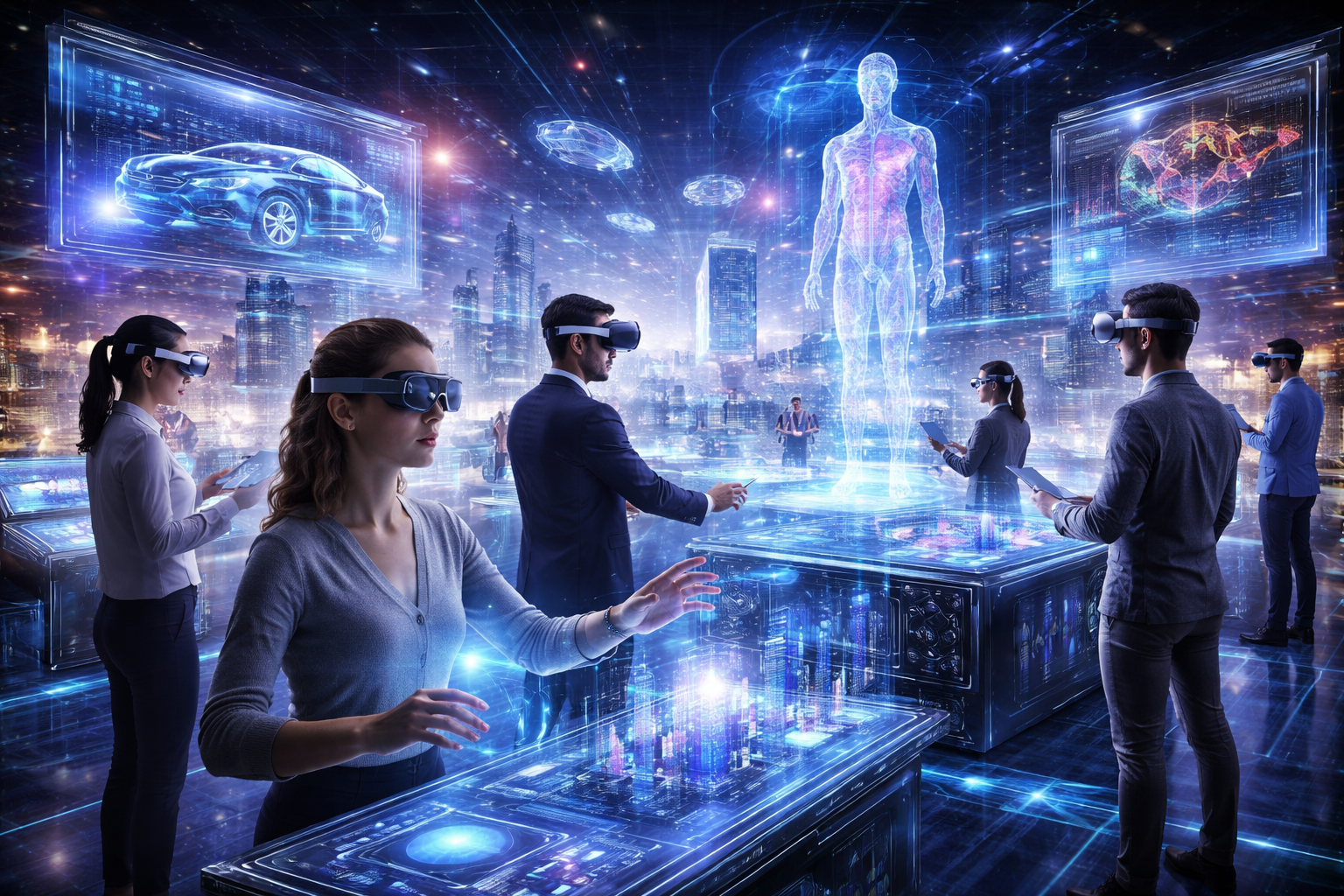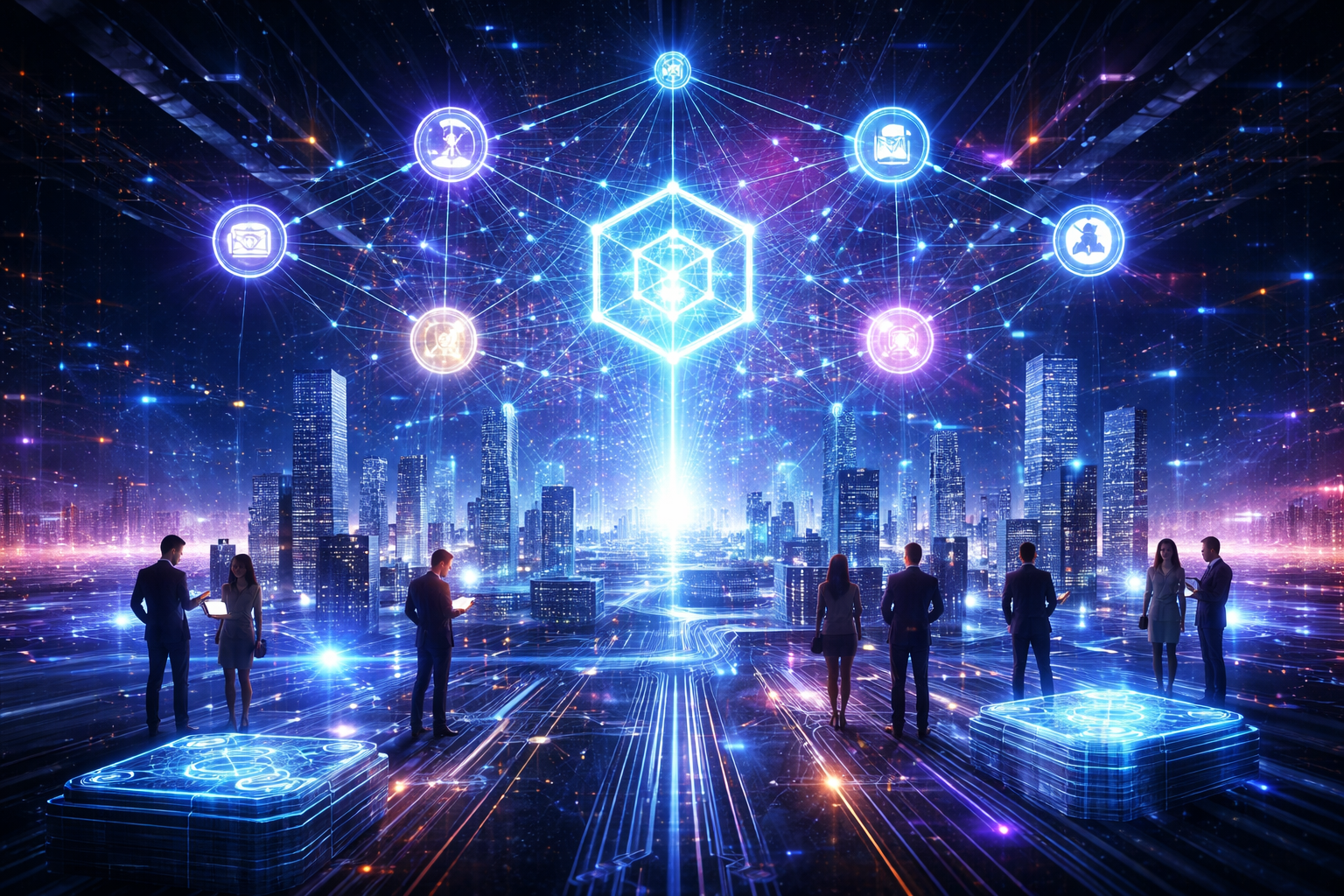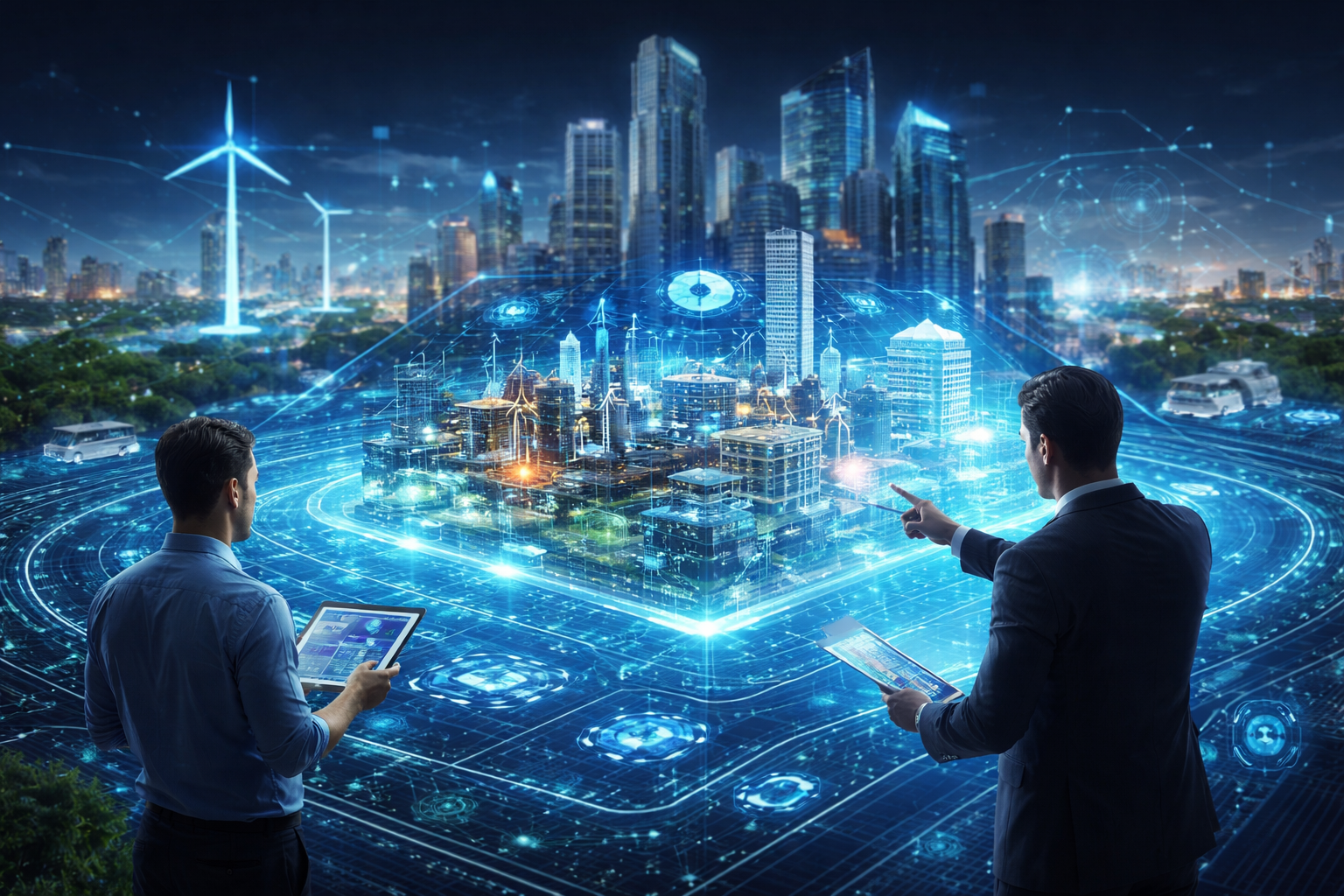
As industries accelerate digital transformation, organizations are finding new ways to connect physical systems with intelligent digital environments. One of the most impactful innovations in emerging and future tech is what is digital twin technology, which enables real-time monitoring, simulation, and optimization of physical systems through intelligent digital models.
By creating virtual representations of real-world assets, businesses can gain deeper insights, predict outcomes, and improve performance without interrupting operations. This approach is reshaping how industries innovate and scale in a data-driven world.
What Is Digital Twin Technology?
Digital twin technology refers to the creation of virtual models that replicate physical objects, systems, or processes using real-time data. These models continuously evolve as new data is collected from connected devices.
Key Characteristics:
- Real-time synchronization
- Continuous data updates
- Simulation capabilities
- Predictive insights
This capability allows organizations to analyze performance, test scenarios, and improve efficiency with precision.
How It Works
The process behind digital twin technology involves a continuous feedback loop between physical and digital systems.
1. Data Collection
Sensors and connected devices capture real-time information.
2. Data Processing
The data is transmitted and analyzed through digital platforms.
3. Virtual Modeling
A digital model reflects real-world conditions and behavior.
4. Insights and Simulation
Analytics tools generate predictions and simulate outcomes.
5. Optimization
Organizations apply insights to improve performance and reduce risk.
Core Technologies Behind the System
Several technologies power these intelligent systems.
Internet of Things (IoT)
Connected devices provide the data needed for accurate modeling.
Artificial Intelligence (AI)
AI enables predictive analytics and intelligent decision-making.
Cloud Computing
Cloud infrastructure supports large-scale data storage and processing.
Big Data Analytics
Large datasets are analyzed to uncover patterns and trends.
Simulation Tools
Advanced modeling tools create realistic digital environments.
Types of Digital Twin Systems
There are different types depending on the application.
Product Models
Track individual assets throughout their lifecycle.
Process Models
Optimize workflows and operations.
System Models
Simulate entire systems such as factories or supply chains.
Infrastructure Models
Represent large-scale environments like cities or utilities.
Industry Use Cases
This technology is transforming operations across multiple sectors.
Manufacturing
- Predictive maintenance
- Production efficiency
- Quality improvement
Healthcare
- Patient monitoring
- Treatment simulation
- Medical optimization
Smart Cities
- Traffic control
- Urban planning
- Energy management
Energy Sector
- Grid optimization
- Asset tracking
- Renewable energy systems
Automotive and Aerospace
- Design testing
- Performance analysis
- Safety improvements
Retail and Logistics
- Inventory control
- Supply chain optimization
- Demand forecasting
Benefits of Digital Twin Technology
Organizations adopting digital twin technology gain measurable advantages.
Real-Time Visibility
Live data provides better decision-making capabilities.
Predictive Maintenance
Issues are identified before failures occur.
Improved Efficiency
Processes become more streamlined and optimized.
Cost Reduction
Downtime and maintenance costs are minimized.
Innovation Support
New strategies can be tested without real-world risks.
Role in Data-Driven Strategies
Digital twin technology plays a key role in modern decision-making.
Continuous Monitoring
Track performance in real time.
Scenario Testing
Simulate strategies before implementation.
Optimization
Improve processes using data insights.
Risk Reduction
Detect and resolve issues early.
Challenges of Implementation
Despite its advantages, adoption comes with challenges.
High Costs
Initial setup requires investment.
Data Complexity
Integrating multiple data sources can be difficult.
Security Concerns
Large data volumes increase risk exposure.
Skill Requirements
Specialized expertise is needed.
Scalability
Expanding systems requires strong infrastructure.
Best Practices for Adoption
To maximize success, organizations should follow these strategies.
Define Clear Goals
Set measurable objectives before implementation.
Start Small
Use pilot projects before scaling.
Ensure Data Accuracy
Reliable data is essential for performance.
Prioritize Security
Protect systems and sensitive information.
Use Scalable Platforms
Leverage cloud-based infrastructure.
Collaborate Across Teams
Align technical and business teams.
The Future of This Technology
The evolution of digital twin technology will shape the next phase of innovation.
AI Integration
Smarter analytics and automation will enhance capabilities.
Smart Infrastructure
Cities and industries will become more connected.
Autonomous Systems
Systems will react to data in real time.
Personalized Models
Individuals may benefit from customized simulations.
Wider Adoption
More industries will integrate this technology into operations.
Conclusion
Digital twin technology is redefining how organizations interact with physical systems by creating intelligent, data-driven models. As part of emerging and future tech, it enables real-time insights, predictive analytics, and smarter decision-making.
Businesses that adopt this innovation strategically will improve efficiency, reduce risks, and gain a competitive advantage in an increasingly connected world.
✅ SEO Meta Data (Optimized)
SEO Title: Digital Twin Technology: Future of Smart Systems
Slug: digital-twin-technology-guide
Meta Description: Explore digital twin technology and how it enables real-time insights, simulation, and smarter decision-making in modern industries.