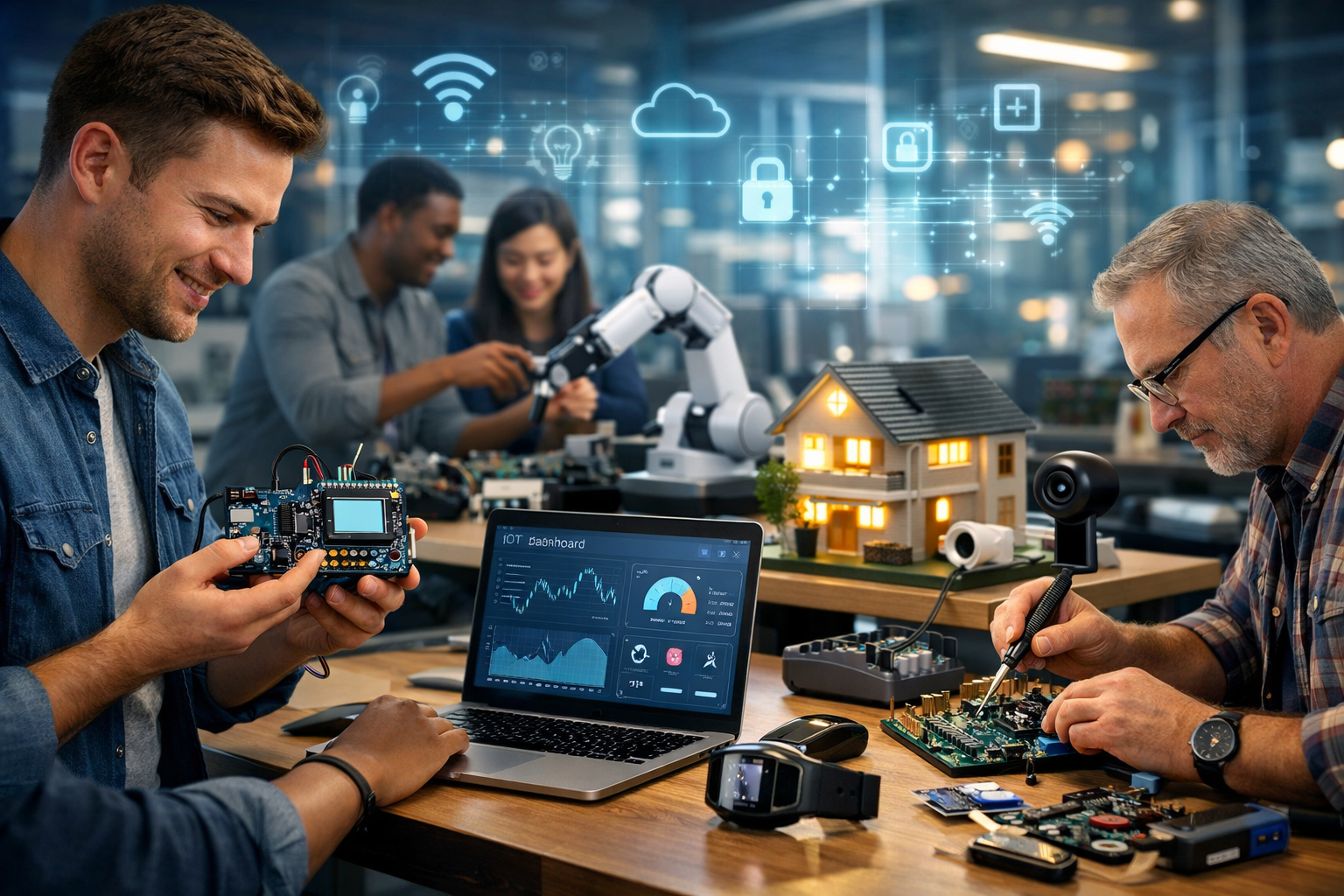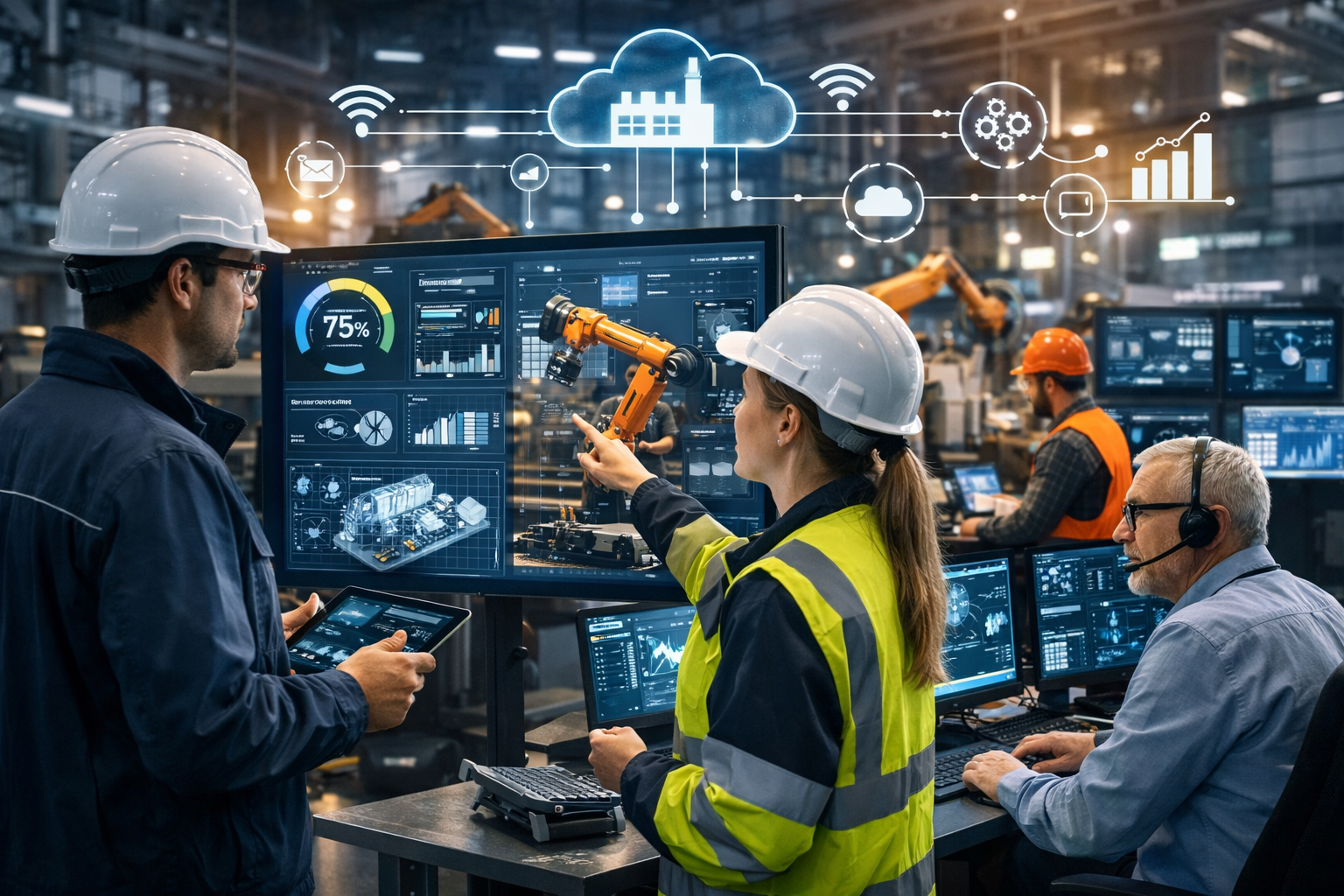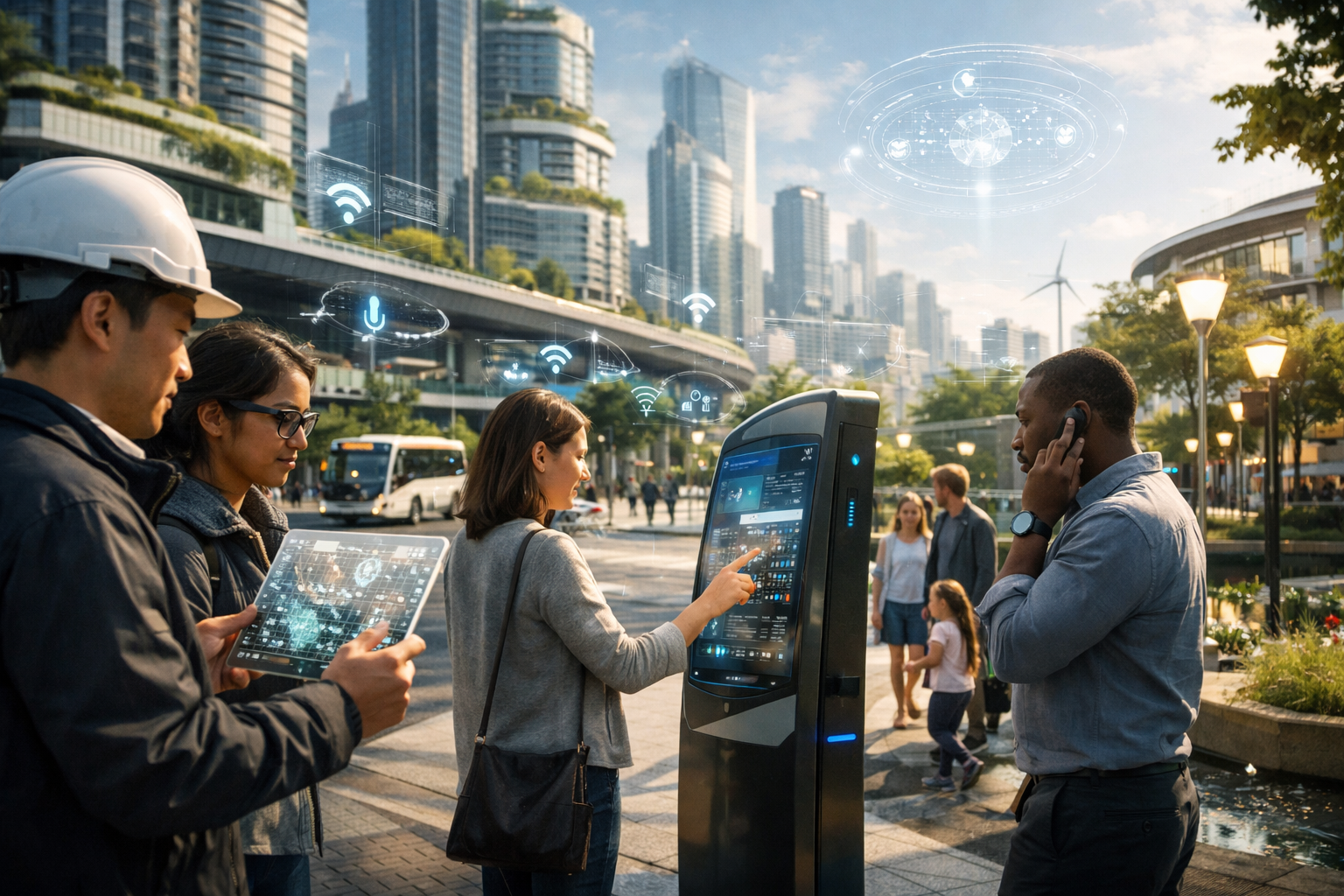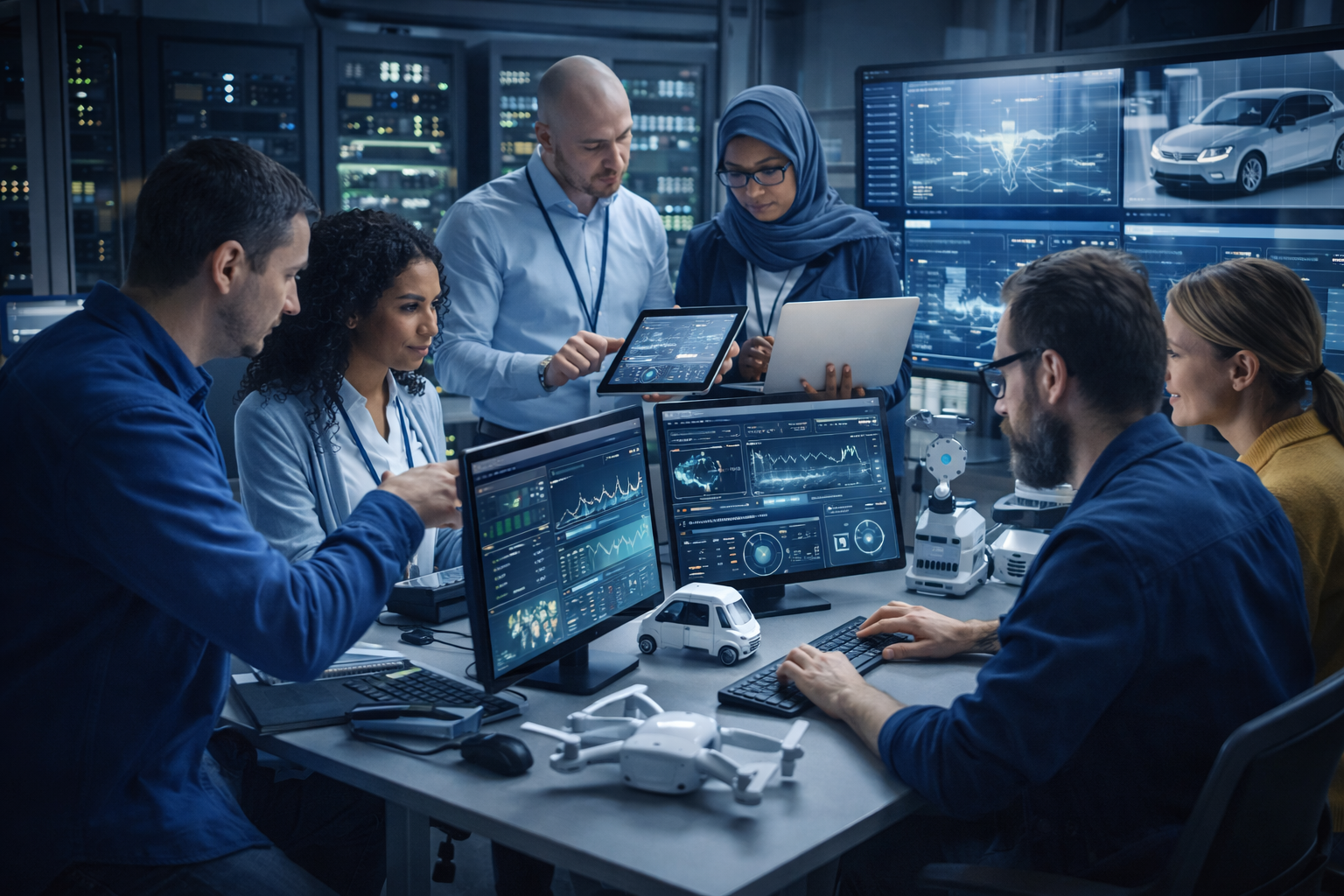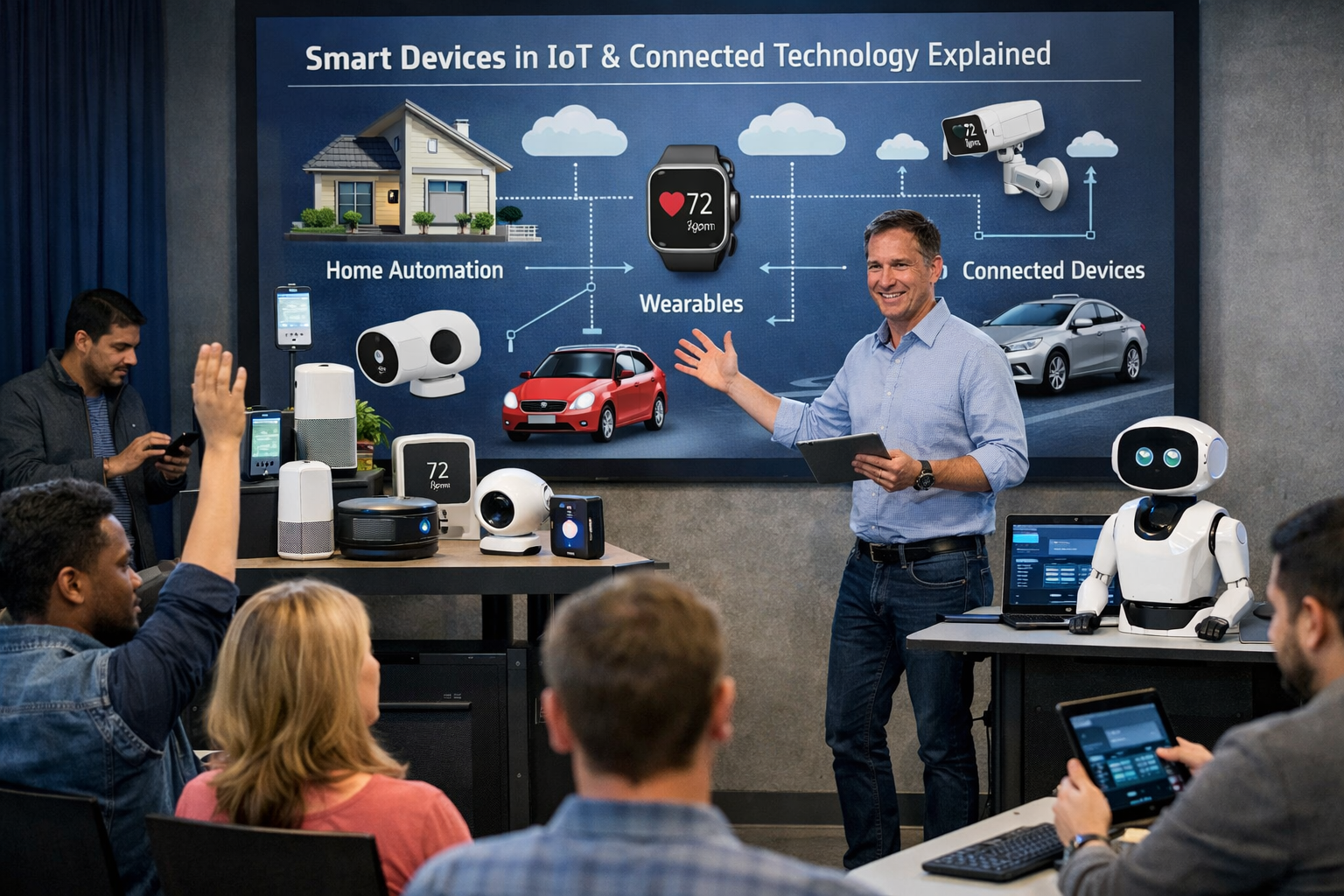
The rapid growth of IoT (Internet of Things) and connected technology has transformed how businesses monitor, control, and optimize physical systems. From smart factories to intelligent cities, data now flows continuously from sensors to cloud platforms, enabling real-time decision-making. At the center of this transformation is a powerful concept known as Digital Twins.
This article provides a beginner-friendly yet technical explanation of how Digital Twins work, why they matter in IoT ecosystems, and how organizations use them to improve performance, reduce costs, and predict failures before they happen.
What Are Digital Twins?
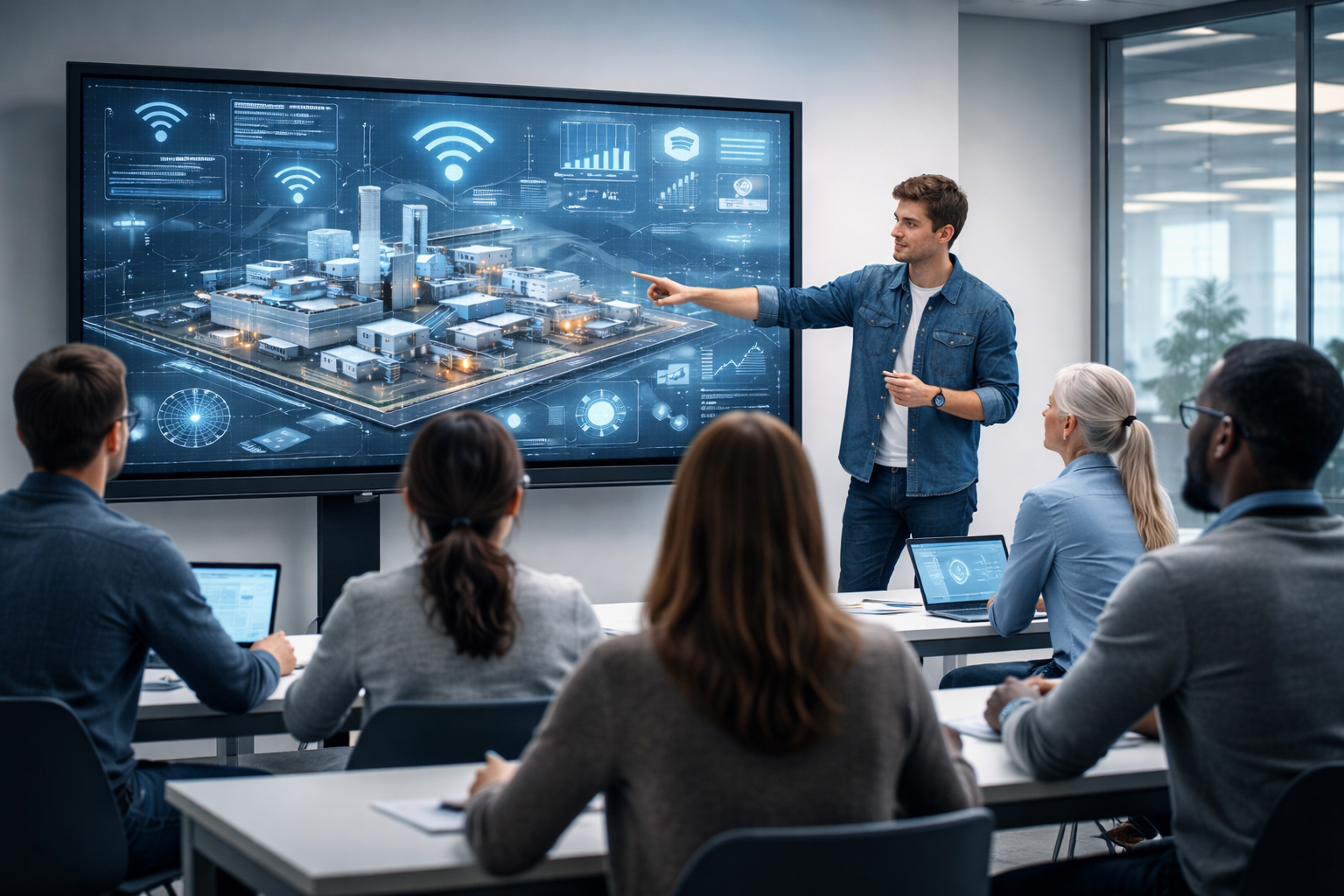
Digital Twins are virtual representations of physical objects, systems, or processes that mirror real-world conditions using live data. They are not just static 3D models. Instead, they continuously update based on data collected from IoT sensors embedded in physical assets.
Digital Twins are virtual representations of physical objects, systems, or processes that mirror real-world conditions using live data. If you’re looking for a deeper technical definition, IBM provides a helpful explanation of what is a digital twin.
Think of it as a real-time digital replica of a machine, vehicle, building, or even an entire production line. The physical object sends operational data such as temperature, pressure, vibration, and performance metrics to a digital platform. The virtual model then simulates behavior, predicts outcomes, and helps engineers make better decisions.
This connection between the physical and digital world is what makes the concept revolutionary in connected technology.
How Digital Twins Work in IoT Systems?
To understand the technical foundation, let’s break down the architecture behind Digital Twins in IoT environments.
1. Physical Asset Layer
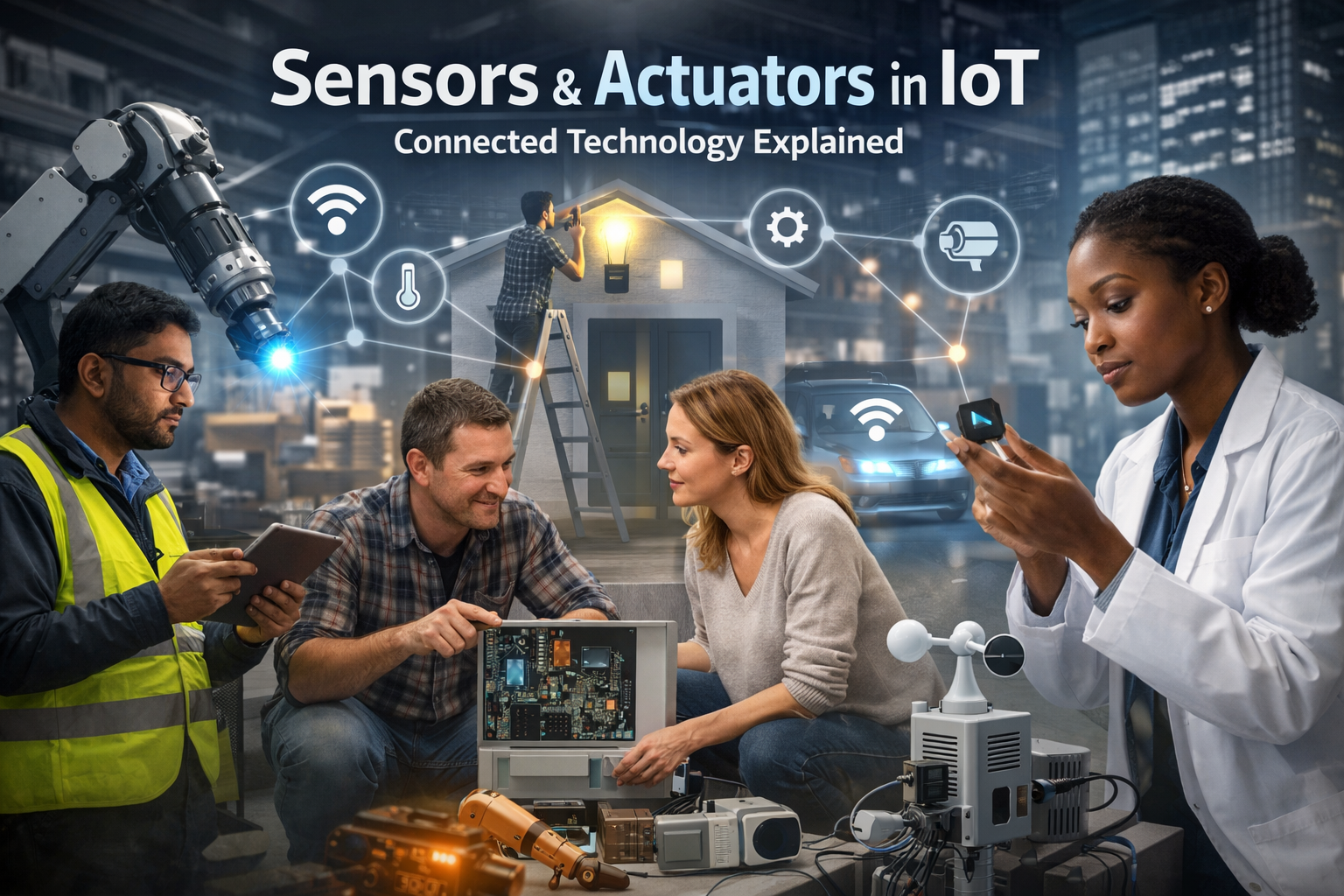
This includes machines, devices, vehicles, infrastructure, or industrial equipment embedded with sensors and actuators.
2. Data Collection Layer
Sensors collect real-time data such as:
- Temperature
- Pressure
- Speed
- Voltage
- Location
- Usage patterns
The data is transmitted via communication protocols like MQTT, HTTP, or CoAP.
3. Connectivity Layer
IoT gateways and networks (Wi-Fi, 5G, LPWAN, or Ethernet) securely send data to cloud or edge computing platforms.
4. Digital Modeling Layer
Here, the digital twin is created using:
- 3D modeling software
- Simulation engines
- AI and machine learning algorithms
- Data analytics tools
The virtual model updates dynamically based on incoming data streams.
5. Analytics & Decision Layer
Advanced analytics and predictive algorithms analyze the data to:
- Detect anomalies
- Predict failures
- Optimize performance
- Simulate “what-if” scenarios
This layered architecture enables real-time synchronization between physical systems and their digital counterparts.
Why Digital Twins Are Important in Connected Technology?
IoT devices generate massive volumes of data. Without structured modeling and analytics, this data remains underutilized. Digital Twins transform raw sensor data into actionable intelligence.
Here’s why they are essential:
Real-Time Monitoring
Organizations can observe asset performance in real time without being physically present.
Predictive Maintenance
Machine learning models detect patterns that indicate wear or malfunction before breakdown occurs.
Operational Optimization
Simulations help optimize energy usage, production flow, and system efficiency.
Risk Reduction
Engineers can test changes virtually before applying them in the real world.
Cost Savings
Early fault detection prevents expensive downtime and emergency repairs.
In connected ecosystems, this capability significantly improves reliability and business continuity.
Types of Digital Twins
Digital Twins can exist at different levels depending on complexity and scale.
Component Twins
Represent individual parts such as motors, sensors, or valves.
Asset Twins
Model entire machines or equipment systems.
System Twins
Combine multiple assets into one operational system, such as a manufacturing line.
Process Twins
Simulate complete workflows or industrial processes.
Each level increases in complexity but provides deeper insights into performance and optimization opportunities.
Technical Components Behind Digital Twins
To better understand their technical nature, let’s explore the core technologies enabling them.
IoT Sensors
Sensors provide the real-time data feed necessary to keep virtual models accurate.
Cloud Computing
Cloud platforms store large datasets and run advanced analytics at scale.
Edge Computing
Processes data closer to the source to reduce latency and improve response time.
Artificial Intelligence & Machine Learning
Algorithms detect patterns, forecast future states, and continuously improve accuracy.
Data Integration Platforms
APIs and middleware ensure smooth communication between hardware and software systems.
These technologies work together to create a synchronized digital environment.
Real-World Applications of Digital Twins
Digital Twins are used across multiple industries. Below are some practical applications:
Manufacturing
Factories create digital replicas of machines to predict maintenance needs and optimize production cycles.
Healthcare
Hospitals use virtual patient modeling to simulate treatment responses and personalize care strategies.
Smart Cities
Urban planners simulate traffic patterns, energy distribution, and infrastructure stress points.
Energy Sector
Power plants monitor turbines and grids using digital replicas to improve efficiency and reduce downtime.
Automotive Industry
Car manufacturers simulate vehicle performance under different environmental conditions.
These applications demonstrate how Digital Twins extend beyond theoretical concepts into practical deployment.
Benefits of Digital Twins in IoT Environments
When properly implemented, organizations experience several measurable benefits:
- Reduced downtime through predictive analytics
- Improved asset lifecycle management
- Enhanced safety monitoring
- Faster product development cycles
- Better resource allocation
- Improved sustainability tracking
The combination of IoT and digital simulation creates a feedback loop that continuously improves system performance.
Challenges and Limitations
While powerful, implementing Digital Twins is not without challenges.
Data Quality Issues
Inaccurate sensor readings can lead to incorrect simulations.
High Initial Costs
Building accurate models requires investment in sensors, software, and expertise.
Cybersecurity Risks
Connected systems are vulnerable to cyber threats if not properly secured.
Integration Complexity
Legacy systems may require upgrades to support modern IoT architectures.
Despite these challenges, the long-term benefits often outweigh the initial barriers.
Best Practices for Implementing Digital Twins
For beginners or organizations exploring this technology, consider these best practices:
- Start small with a pilot project.
- Ensure sensor data accuracy and calibration.
- Use scalable cloud infrastructure.
- Implement strong cybersecurity measures.
- Integrate AI analytics for predictive capabilities.
- Continuously update models for improved accuracy.
A phased approach minimizes risk and maximizes return on investment.
The Future of Digital Twins in Connected Technology
As IoT devices become more advanced and 5G networks expand, Digital Twins will become more sophisticated and widely adopted.
Future advancements may include:
- Real-time city-wide digital modeling
- Autonomous decision-making systems
- Integration with augmented reality
- Deeper AI-driven predictive analytics
- Hyper-personalized healthcare simulations
With continuous innovation, the gap between the physical and digital worlds will become even smaller.
Conclusion
Digital Twins represent one of the most impactful innovations in IoT and connected technology. By creating real-time virtual replicas of physical systems, organizations gain deeper visibility, predictive insights, and enhanced operational control.
For beginners, understanding the layered architecture—sensors, connectivity, cloud platforms, and analytics—is key to grasping how these systems function. As industries increasingly rely on data-driven strategies, Digital Twins will play a central role in shaping smarter, more efficient, and more resilient environments.
Whether applied in manufacturing, healthcare, energy, or smart cities, this technology continues to redefine how businesses interact with physical assets in a connected world.
By bridging reality with simulation, Digital Twins are not just improving systems—they are transforming the future of intelligent technology.