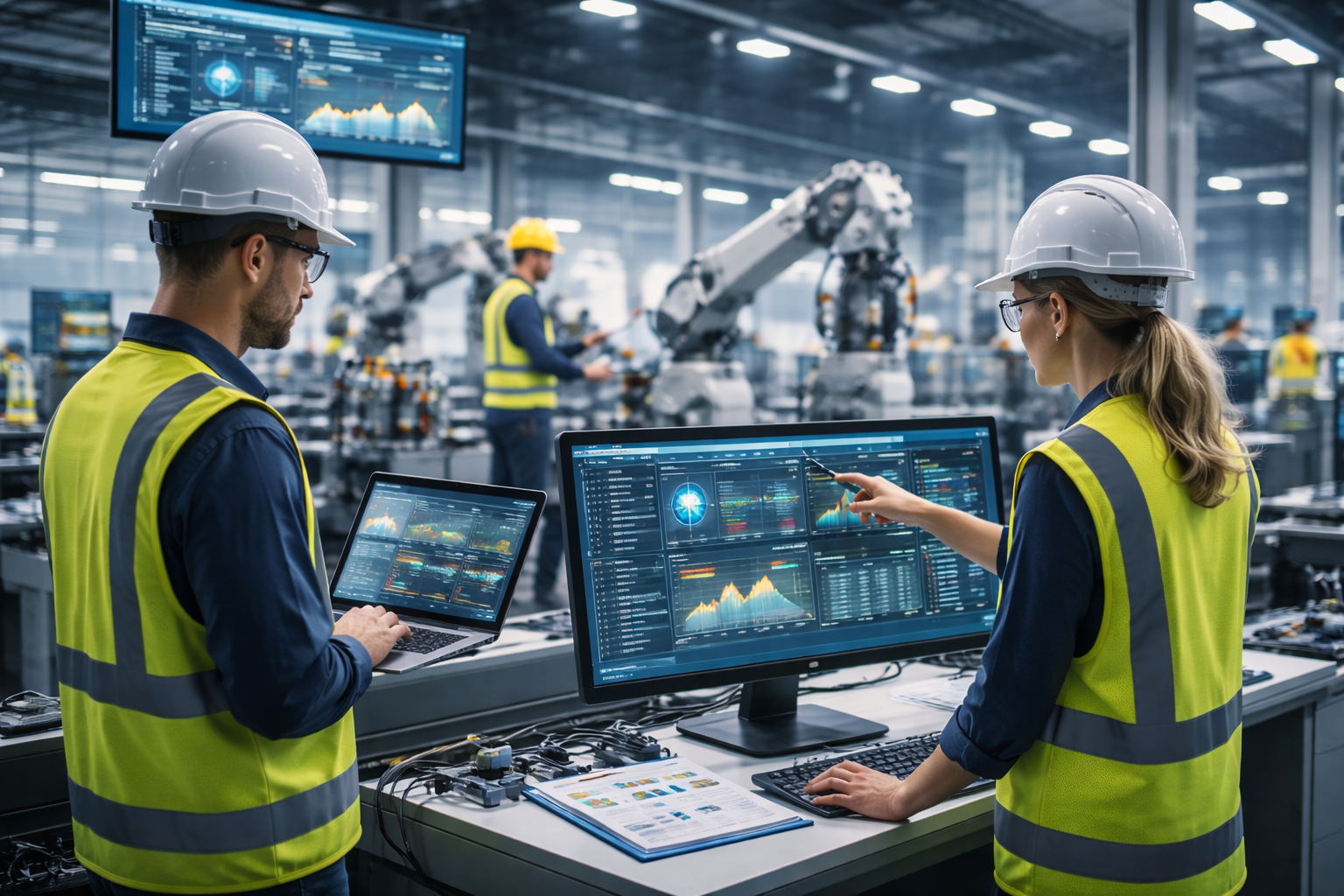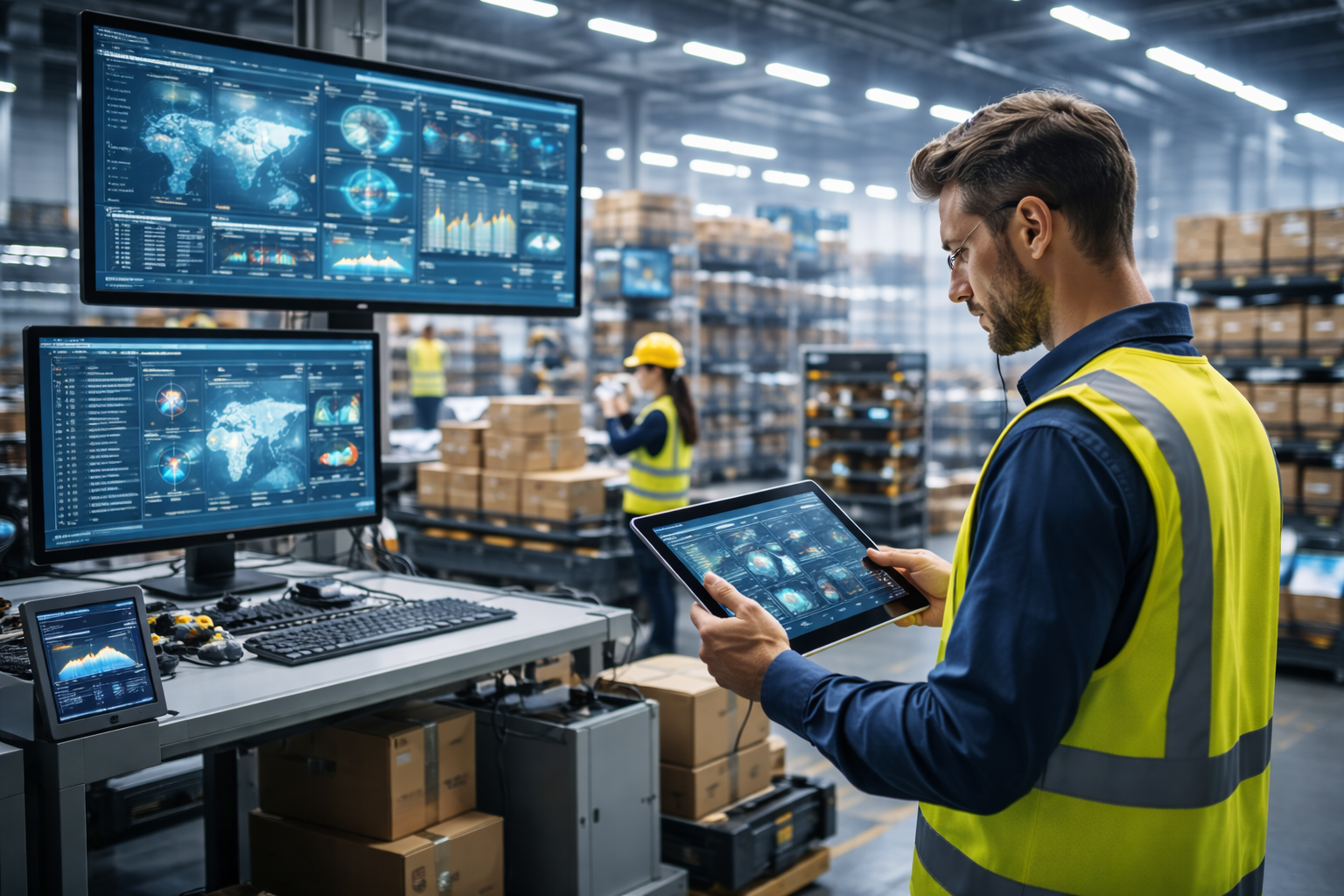
Logistics Tech is transforming how goods are transported, stored, and delivered across the global supply chain. Modern supply chains are evolving rapidly, with digital logistics systems and supply chain innovation playing a crucial role in improving efficiency, visibility, and delivery performance.
As e-commerce growth accelerates and customer expectations shift toward faster and more reliable delivery, logistics companies are turning to advanced technologies to stay competitive.
From real-time tracking systems to AI-powered route optimization and automated warehouses, Logistics Tech enables businesses to streamline operations, reduce costs, and improve delivery performance. This transformation is redefining supply chain management and creating smarter, more connected logistics ecosystems.
In this article, we explore what Logistics Tech is, its core components, benefits, challenges, and emerging trends shaping the future of logistics.
What Is Logistics Tech?
Logistics Tech, short for logistics technology, refers to the use of digital tools, platforms, and systems to optimize supply chain and transportation processes. It integrates software, hardware, and data analytics to enhance efficiency across logistics operations.
Logistics Tech includes:
- Transportation management systems (TMS)
- Warehouse management systems (WMS)
- Fleet tracking and telematics
- AI and predictive analytics platforms
- Automation and robotics
Unlike traditional logistics methods, these technologies focus on real-time visibility, automation, and data-driven decision-making.
Core Components of Modern Logistics Technology Systems
1. Transportation Management Systems (TMS)
TMS platforms help companies plan, execute, and optimize the movement of goods.
Key features include:
- Route planning and optimization
- Freight management
- Carrier selection
- Cost analysis
These systems improve delivery efficiency and reduce transportation costs.
2. Warehouse Management Systems (WMS)
WMS platforms manage inventory, storage, and order fulfillment within warehouses.
Capabilities include:
- Inventory tracking
- Order processing
- Picking and packing optimization
- Space utilization
Efficient warehouse management is critical for fast and accurate order fulfillment.
3. Real-Time Tracking and Telematics
Tracking technologies provide visibility into the location and status of shipments.
Benefits include:
- GPS tracking of vehicles
- Shipment monitoring
- Delivery status updates
- Improved transparency
Real-time tracking enhances customer satisfaction and operational control.
4. Artificial Intelligence and Predictive Analytics
AI plays a crucial role in optimizing logistics operations.
Applications include:
- Demand forecasting
- Route optimization
- Risk management
- Delivery time predictions
Predictive analytics helps companies make proactive decisions.
5. Automation and Robotics
Automation is transforming warehouses and logistics hubs.
Examples include:
- Automated sorting systems
- Robotic picking and packing
- Autonomous guided vehicles (AGVs)
- Drones for delivery
Automation improves speed, accuracy, and efficiency.
6. Internet of Things (IoT)
IoT devices connect physical assets to digital systems.
Uses include:
- Monitoring temperature-sensitive goods
- Tracking equipment performance
- Managing inventory in real time
IoT enables smarter and more responsive logistics operations.
7. Cloud Computing and Data Integration
Cloud platforms provide scalability and connectivity for logistics systems.
Advantages include:
- Centralized data access
- Real-time collaboration
- Reduced infrastructure costs
- Seamless integration
Cloud technology supports global logistics operations.
Types of Logistics Tech Solutions
1. Last-Mile Delivery Solutions
Technologies focused on optimizing final delivery stages.
2. Fleet Management Systems
Tools for managing vehicles, drivers, and maintenance.
3. Supply Chain Visibility Platforms
Systems that provide end-to-end visibility across the supply chain.
4. E-Commerce Logistics Solutions
Platforms designed to support online retail logistics.
5. Cold Chain Technology
Solutions for managing temperature-sensitive goods.
Benefits of Logistics Tech
1. Improved Efficiency
Automation and optimization reduce operational delays.
2. Enhanced Visibility
Real-time tracking provides better control over shipments.
3. Cost Reduction
Optimized routes and processes lower operational expenses.
4. Better Customer Experience
Faster and more reliable deliveries improve satisfaction.
5. Data-Driven Decisions
Analytics enable smarter planning and execution.
6. Scalability
Digital systems support business growth and expansion.
Challenges in Logistics Technology
1. Integration Complexity
Combining multiple systems can be difficult.
2. High Implementation Costs
Advanced technologies require significant investment.
3. Data Security Risks
Protecting sensitive logistics data is essential.
4. Infrastructure Limitations
Not all regions support advanced logistics technologies.
5. Workforce Adaptation
Employees need training to use new systems effectively.
Emerging Trends in Logistics Tech
1. AI-Driven Supply Chains
Artificial intelligence is enabling smarter and more efficient logistics operations.
2. Autonomous Vehicles and Drones
Self-driving vehicles and drones are revolutionizing delivery.
3. Blockchain in Logistics
Blockchain improves transparency and security in supply chains.
4. Smart Warehouses
Warehouses are becoming fully automated and data-driven.
5. Sustainability in Logistics
Green technologies are reducing environmental impact.
6. Digital Twins for Supply Chains
Virtual models help simulate and optimize logistics processes.
How Logistics Tech Is Transforming Industries
1. E-Commerce
Faster delivery systems support growing online shopping demand.
2. Manufacturing
Efficient logistics ensures smooth production and distribution.
3. Healthcare
Logistics technology supports timely delivery of medical supplies.
4. Retail
Retailers rely on logistics systems for inventory and delivery management.
Best Practices for Implementing Logistics Technology
1. Define Clear Objectives
Set goals before adopting new technologies.
2. Invest in Scalable Systems
Choose solutions that can grow with your business.
3. Ensure System Integration
Enable seamless communication between platforms.
4. Prioritize Data Security
Protect systems and sensitive information.
5. Train Employees
Equip staff with the skills needed to use new tools.
Conclusion
Logistics Tech is transforming supply chains by enabling faster, smarter, and more efficient operations. Through technologies such as AI, IoT, automation, and cloud computing, logistics systems are becoming more connected and data-driven.
As global demand for efficient logistics continues to grow, businesses that adopt Logistics Tech will gain a competitive advantage. Addressing challenges such as integration and security will be essential for long-term success.
Ultimately, Logistics Tech is not just about moving goods—it is about building intelligent supply chains that drive innovation and growth.