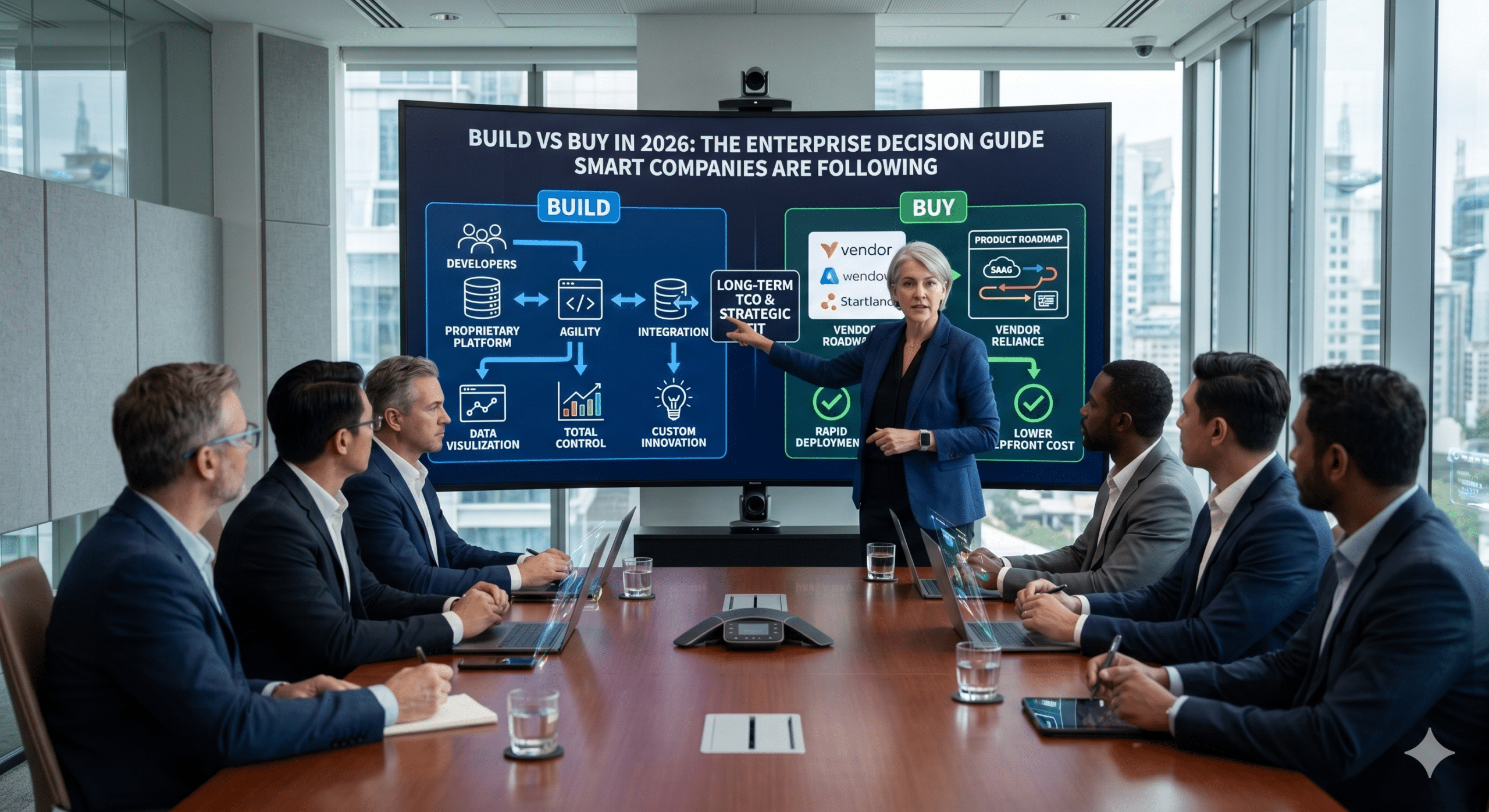
The Build vs Buy: Enterprise Decision Guide has become one of the most important conversations modern businesses face as technology decisions grow more expensive, complex, and deeply connected to long-term growth. At some point, nearly every company reaches the same critical question: should we build this technology ourselves, or should we buy software that already exists?
At some point, nearly every growing business faces the same difficult question: Should we build this technology ourselves, or should we buy software that already exists?
On the surface, the answer can seem obvious. However, once real business pressures enter the conversation, things quickly become more complicated.
Engineering teams usually want flexibility and control. Finance departments want predictable costs. Operations teams care about speed and efficiency. Meanwhile, leadership wants scalability, security, and long-term growth.
At the same time, software vendors continue promising faster deployment, lower operational costs, built-in AI features, and seamless integrations.
Because of this, many organizations rush into technology decisions they later regret.
Some companies spend years building internal platforms that employees barely use. Others become trapped inside expensive software ecosystems that are difficult to customize or migrate away from later. And increasingly, businesses are discovering that the wrong software decision can quietly create years of operational friction.
That’s exactly why the Build vs Buy: Enterprise Decision Guide conversation matters far more in 2026 than it did even a few years ago.
Technology now sits at the center of almost every business function. It shapes customer experience, employee productivity, cybersecurity, automation, data management, remote collaboration, and long-term business strategy. Consequently, deciding whether to build software internally or purchase an existing platform has become both a technical decision and a major business decision.
And honestly, there is no universal answer.
The smartest companies today are not automatically choosing “build,” nor are they blindly defaulting to “buy.” Instead, they’re using structured frameworks that evaluate speed, cost, flexibility, scalability, internal expertise, and long-term sustainability together.
Because ultimately, the goal is not simply choosing software.
It’s choosing the right business outcome.
Why the Build vs Buy Conversation Has Changed So Much
For years, buying software was usually the easier option.
SaaS platforms exploded across nearly every business category imaginable:
- CRM systems
- Marketing automation platforms
- Project management tools
- HR software
- Customer support systems
- Analytics dashboards
- Collaboration platforms
As a result, businesses could deploy tools quickly without building large internal engineering teams.
At the same time, however, the SaaS landscape became increasingly crowded. Companies started managing dozens — sometimes hundreds — of subscriptions across multiple departments. Integration complexity increased. Vendor pricing climbed steadily. And many organizations realized their workflows did not fit neatly inside rigid off-the-shelf platforms.
Meanwhile, AI is now changing the equation all over again.
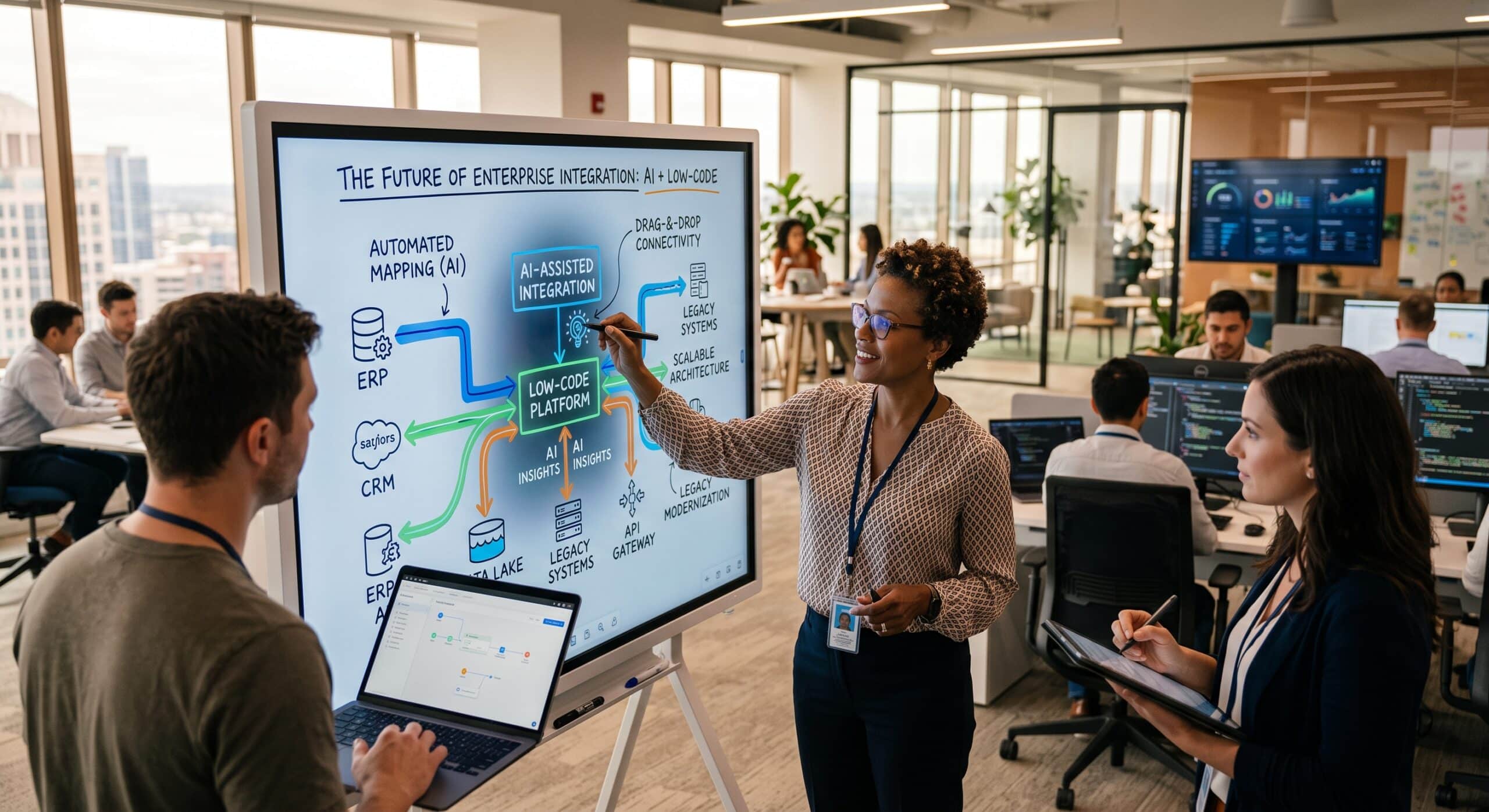
AI-assisted coding tools, low-code systems, automation frameworks, and API ecosystems have dramatically lowered the barrier to internal development. In many cases, businesses can now prototype lightweight internal tools within days instead of months.
Because of this, companies are reevaluating decisions that once seemed straightforward.
And increasingly, businesses are realizing the smartest solution often sits somewhere between fully building and fully buying.
That’s one reason why a modern Build vs Buy: Enterprise Decision Guide has become so valuable for enterprise decision-makers.
What “Build” Actually Means Today
Traditionally, building software meant creating an application entirely from scratch.
Today, however, “build” can mean several different things depending on the company’s needs and technical resources.
For example, businesses may:
- Build fully custom platforms internally
- Create lightweight internal tools
- Use low-code systems for workflow automation
- Build custom layers on top of SaaS platforms
- Connect APIs into hybrid operational systems
- Use AI-assisted development tools to speed up production
As a result, the “build” option has become far more flexible than many companies realize.
And importantly, building software no longer automatically requires massive engineering departments or years of development time.
That shift has significantly changed the economics of enterprise software decisions.
What “Buy” Really Means in 2026
Buying software used to involve purchasing expensive enterprise licenses and deploying systems internally.
Today, buying usually means subscribing to cloud-based SaaS platforms.
And honestly, SaaS remains incredibly attractive for several reasons:
- Faster deployment
- Lower upfront investment
- Vendor-managed updates
- Easier scalability
- Reduced infrastructure management
- Built-in support systems
For many businesses, buying software still makes perfect sense.
However, modern SaaS environments also introduce new concerns:
- Vendor lock-in
- Rising subscription costs
- Data portability limitations
- Limited customization
- Integration challenges
- Dependency on vendor roadmaps
Because of this, businesses are becoming far more cautious about long-term SaaS commitments.
The conversation is no longer simply:
“Can this software solve our problem?”
Instead, organizations increasingly ask:
“Will this software still support our business three years from now?”
And ultimately, that becomes a much smarter question.
The Real Cost of Building Software
One of the biggest mistakes organizations make is underestimating the true cost of custom development.
Initially, building software may appear cheaper than paying long-term SaaS subscription fees. However, visible development costs are only part of the equation.
Businesses must also account for:
- Engineering salaries
- Product management
- Infrastructure costs
- Security updates
- QA testing
- Technical debt
- Documentation
- Ongoing maintenance
- Support overhead
- Compliance management
And importantly, internal software rarely stays “finished.”
Every custom platform eventually requires updates, integrations, bug fixes, scalability improvements, and ongoing optimization.
As a result, many companies discover that maintaining internal systems quietly becomes a long-term operational responsibility they underestimated early on.
That’s exactly why a strong Build vs Buy: Enterprise Decision Guide should evaluate total cost of ownership instead of focusing only on initial development costs.
The Hidden Cost of Buying Software
At the same time, buying software creates hidden costs too.
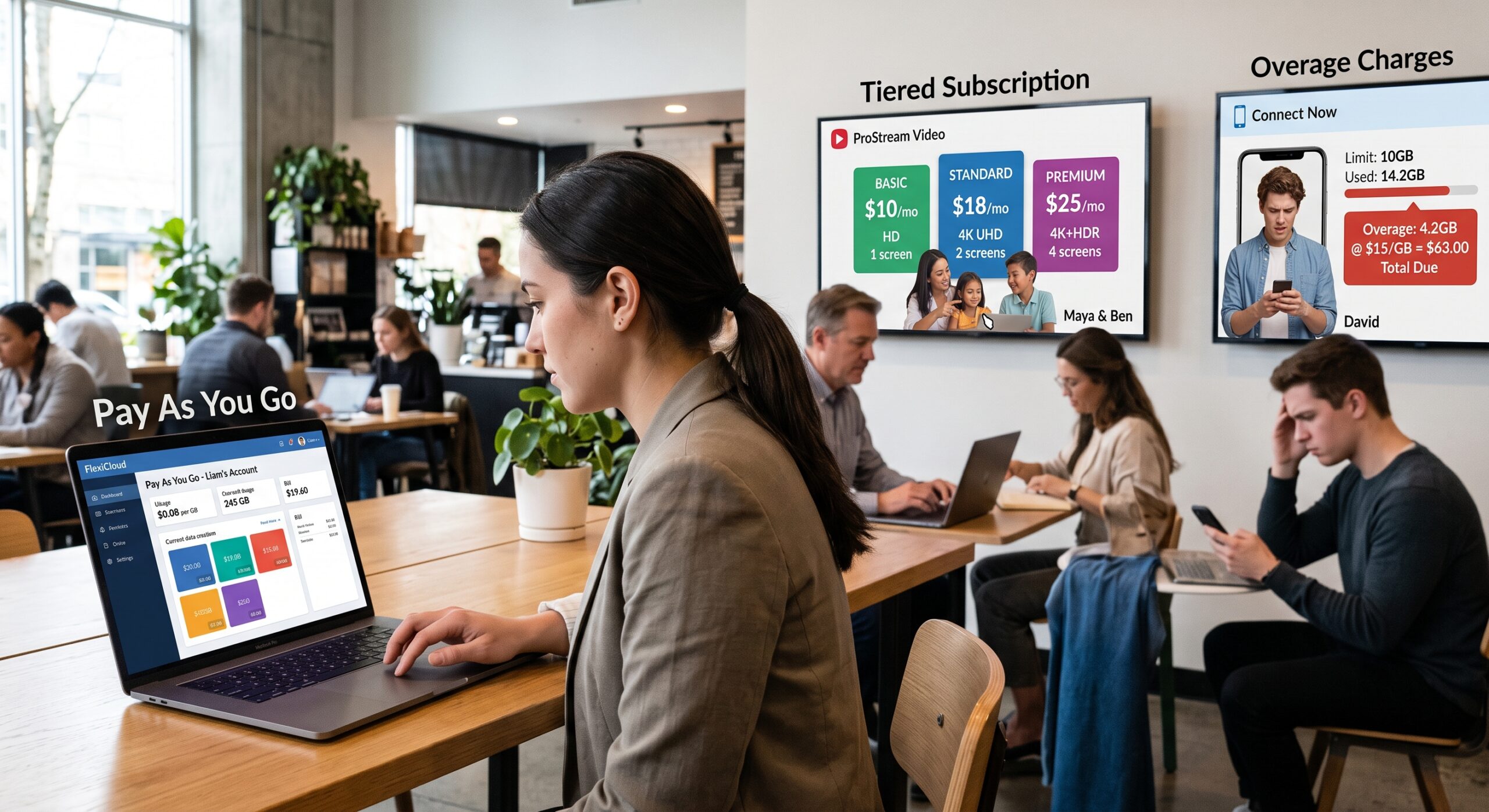
Monthly subscription fees may seem manageable initially. However, as organizations scale, SaaS pricing can increase rapidly.
For example:
- Per-user pricing expands with headcount
- API usage fees increase
- Premium features move behind higher pricing tiers
- Storage costs grow
- Integration expenses appear
- Vendor support becomes more expensive
Eventually, businesses may find themselves paying significantly more than expected.
And unlike custom-built systems, organizations never fully own the software itself.
That means businesses remain dependent on:
- Vendor pricing decisions
- Feature availability
- Platform reliability
- Vendor security standards
- Product roadmaps
- Integration support
Consequently, buying software may reduce operational burden initially while increasing long-term strategic dependency.
The Most Important Question: Does This Create Competitive Advantage?
This is often the single most important question inside any Build vs Buy: Enterprise Decision Guide framework.
Does this technology directly support competitive differentiation?
If the answer is yes, building may deserve serious consideration.
For example:
- A logistics company may build proprietary routing systems
- A fintech company may build custom fraud detection tools
- A healthcare provider may build specialized patient workflows
- An ecommerce platform may develop custom recommendation engines
In these situations, the software itself becomes part of the business advantage.
Owning the technology may provide:
- Greater flexibility
- Faster experimentation
- Better customer experiences
- Stronger data control
- Unique operational workflows
- Long-term differentiation
However, if the software supports non-core operations, buying often makes far more sense.
Most companies do not need to build:
- Payroll systems
- Accounting platforms
- Email infrastructure
- Basic HR onboarding systems
- Commodity collaboration tools
Trying to custom-build standard operational tools often creates unnecessary complexity without generating meaningful business value.
Speed Matters More Than Many Businesses Admit
One major advantage of buying software is speed.
Businesses can often deploy SaaS platforms within days or weeks instead of spending months building internally.
And in fast-moving markets, speed creates enormous business value.
Sometimes, launching quickly matters more than achieving perfect customization.
For example:
- Startups often buy software to conserve engineering resources
- Growing companies prioritize operational speed
- Remote teams need collaboration systems immediately
- Enterprises may require rapid compliance deployment
Because of this, many organizations buy first and customize later.
However, speed should not blind companies to long-term limitations.
A platform that launches quickly but creates operational bottlenecks later may become expensive in completely different ways.
That’s why mature organizations balance short-term speed against long-term scalability.
AI Is Reshaping Enterprise Software Decisions
In recent years, artificial intelligence has dramatically transformed the build vs buy landscape.
Previously, custom development required large engineering teams, long development cycles, and significant financial investment.
Today, AI-assisted development tools have reduced many of those barriers.
Businesses can now:
- Prototype internal tools rapidly
- Generate code faster
- Automate workflows internally
- Create lightweight operational platforms
- Customize workflows without massive engineering teams
At the same time, SaaS vendors are embedding AI into their own platforms just as aggressively.
As a result, businesses now face a far more complicated decision environment than ever before.
On one hand, building has become faster and more accessible.
On the other hand, SaaS vendors continue delivering increasingly sophisticated AI-powered platforms.
Because of this, many companies now adopt hybrid strategies:
- Buy foundational systems
- Build custom operational layers
- Use APIs for specialized workflows
- Combine SaaS platforms with internal automation
And honestly, hybrid strategies are becoming increasingly common throughout 2026.
Because for many organizations, the smartest Build vs Buy: Enterprise Decision Guide does not force businesses into one extreme or the other.
Instead, it helps companies combine both approaches strategically.
Vendor Lock-In Has Become a Bigger Enterprise Concern
For years, many businesses underestimated the long-term impact of vendor lock-in.
Now, however, organizations are experiencing those challenges directly.
Switching enterprise platforms later can become extremely expensive because businesses accumulate:
- Workflow dependencies
- Data dependencies
- Employee training investments
- Integration architecture
- Operational reliance
As a result, migrating away from major SaaS platforms often becomes difficult, disruptive, and expensive.
Because of this, companies increasingly evaluate:
- Data portability
- API access
- Export flexibility
- Vendor stability
- Integration standards
- Contract flexibility
before making major software commitments.
Because ultimately, enterprise software decisions are rarely temporary anymore.
The Best Enterprise Decisions Usually Involve Collaboration
One of the biggest mistakes businesses still make is allowing only technical teams to drive software decisions.
In reality, build vs buy decisions affect:
- Finance
- Operations
- Compliance
- Security
- Customer experience
- Employee productivity
- Long-term business strategy
Because of this, successful organizations increasingly involve multiple stakeholders in evaluation processes.
That includes:
- IT leadership
- Engineering teams
- Finance departments
- Security leaders
- Operations managers
- Executive leadership
Collaboration creates stronger visibility into real business requirements instead of purely technical preferences.
And importantly, it also reduces emotionally driven decisions.
Because honestly, some teams simply prefer building because it feels more innovative — even when buying makes more operational sense.
Common Build vs Buy Mistakes Businesses Still Make
Nevertheless, even with stronger frameworks available today, several common mistakes still appear repeatedly across organizations.
Building Software That Already Exists
Some businesses overestimate how unique their operational needs really are. As a result, they spend months recreating systems mature SaaS platforms already solve effectively.
Buying Software Without Understanding Long-Term Costs
Low entry pricing can become misleading once organizations scale users, integrations, storage, and premium features.
Ignoring Internal Capacity
Building software requires long-term operational commitment, not just initial development effort.
Treating Build vs Buy as Permanent
Technology changes constantly. What made sense to buy several years ago may make more sense to build today.
Letting Internal Bias Drive Decisions
Sometimes leaders push for build or buy decisions based on personal preference instead of measurable business value.
A Simple Build vs Buy Framework for Enterprises
Although every business situation differs, most strong enterprise frameworks evaluate five core areas:
1. Strategic Importance
Does the software directly support competitive differentiation?
2. Speed to Value
How quickly does the business need the solution operational?
3. Total Cost of Ownership
What are the true long-term costs beyond initial pricing?
4. Internal Capability
Does the organization realistically have the talent and operational capacity to maintain the solution?
5. Scalability and Flexibility
Will the solution continue supporting the business several years from now?
When companies evaluate all five categories together, decisions become far more balanced and strategic.
Final Thoughts: The Best Technology Decision Supports the Business
The build vs buy debate often becomes overly technical.
However, the smartest organizations understand something important:
This decision is ultimately about business alignment, not engineering pride.
The goal is not to build the most impressive platform possible.
And it’s not automatically to buy the fastest solution either.
Instead, the real objective is creating technology infrastructure that supports growth, scalability, operational stability, customer experience, and long-term business flexibility.
In some situations, building creates competitive advantage.
In others, buying creates speed and efficiency.
And increasingly, the strongest enterprise strategies combine both approaches thoughtfully instead of treating them like opposites.
Because in 2026, the companies making the smartest technology decisions are not simply choosing tools.
They are building systems that help the business adapt faster, operate smarter, and grow with far less friction over time.
And ultimately, that’s exactly what a strong Build vs Buy: Enterprise Decision Guide is supposed to accomplish.