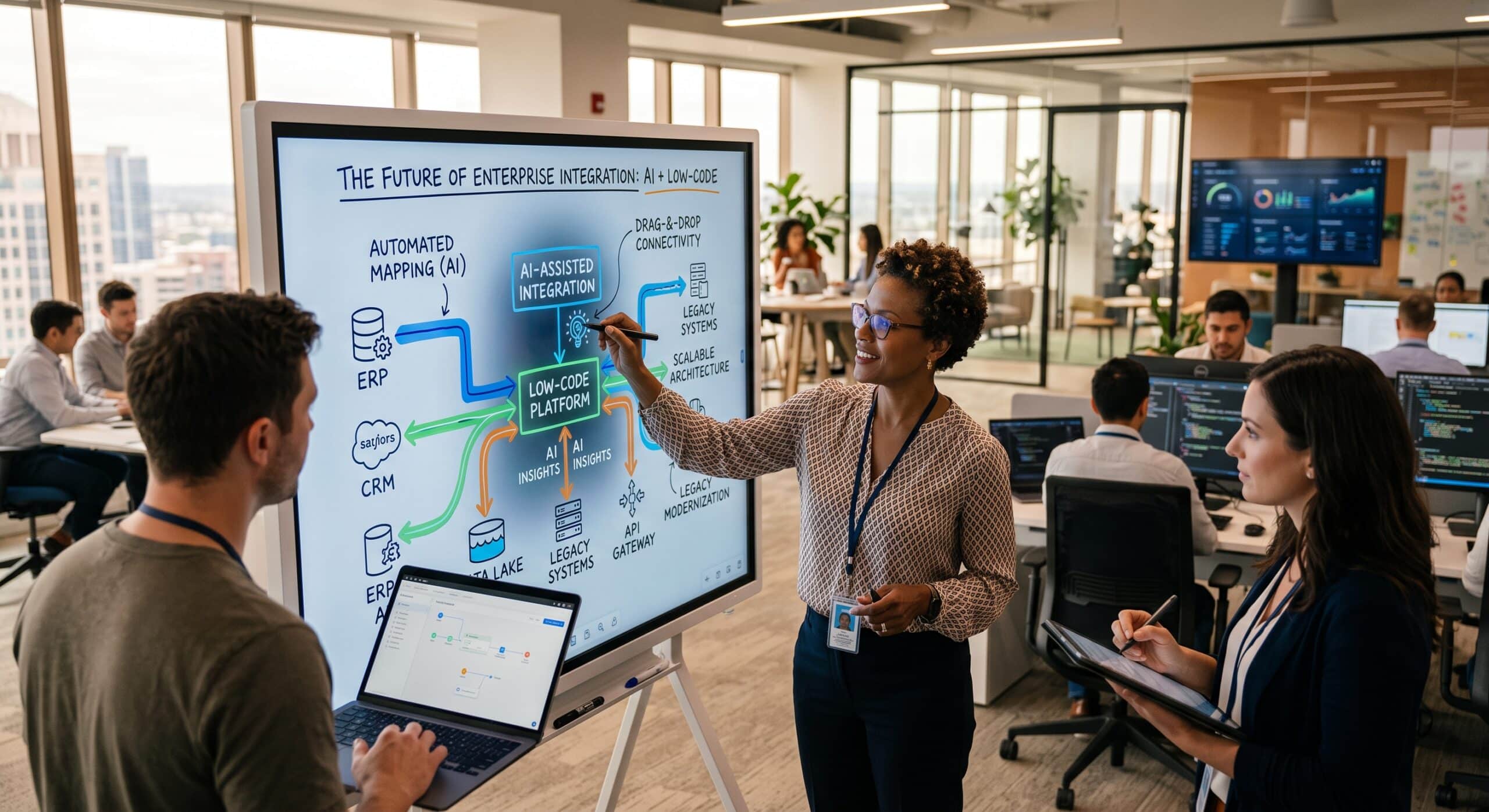
Legacy systems continue to play a critical role in modern organizations, supporting essential operations across industries such as finance, healthcare, manufacturing, and government. While these older platforms are often reliable, they can also limit innovation, scalability, and integration with newer technologies. In 2026, understanding how to manage and modernize legacy systems is essential for any business aiming to stay competitive in a fast-changing digital environment.
This expert guide explores everything you need to know about legacy systems, including their characteristics, benefits, challenges, and practical strategies for modernization.
What Are Legacy Systems?
Legacy systems are outdated software, hardware, or IT infrastructures that remain in use despite the availability of newer technologies. These systems were typically developed years—or even decades—ago and often rely on older programming languages, frameworks, or architectures.
Although they may lack modern features, many organizations continue to depend on these platforms because they support mission-critical processes and store valuable historical data.
Key Characteristics of Older IT Systems
Most aging platforms share a common set of characteristics that distinguish them from modern solutions:
Outdated Technology
These systems often run on older programming languages such as COBOL or use frameworks that are no longer widely supported.
Limited Integration
Traditional IT environments typically struggle to connect with cloud platforms, APIs, and modern applications.
High Maintenance Costs
Maintaining legacy applications requires specialized expertise, which can be costly and difficult to find.
Security Risks
Older infrastructure may lack modern cybersecurity protections, making it more vulnerable to attacks.
Scalability Limitations
Many outdated systems were not designed to handle today’s data volumes or user demands.
Why Organizations Still Use Legacy Systems
Despite their limitations, legacy systems remain deeply embedded in many organizations. Several factors explain their continued use:
Business Continuity
These platforms are tightly integrated into daily operations, making replacement complex and risky.
Cost Considerations
Replacing existing systems often requires significant financial investment and resource allocation.
Proven Reliability
Many older systems have demonstrated consistent performance over long periods.
Compliance Requirements
In regulated industries, existing platforms may still meet legal and operational standards.
Advantages of Legacy Technology
While often criticized, older IT systems still offer meaningful advantages:
Stability and Reliability
They have been tested over time and are less prone to unexpected failures in known environments.
Familiarity for Teams
Employees are already trained to use these systems, reducing onboarding and training costs.
Data Preservation
Legacy platforms store valuable historical data that supports analytics and decision-making.
Avoidance of Immediate Costs
Continuing to operate existing systems avoids the upfront expense of modernization.
Disadvantages of Legacy Systems
The drawbacks of outdated infrastructure are becoming more pronounced in today’s digital-first landscape:
Limited Innovation
Older systems restrict the adoption of technologies such as AI, automation, and advanced analytics.
Integration Challenges
Connecting legacy applications with modern tools often requires complex workarounds.
Increased Security Risks
Outdated software may not receive security updates, increasing exposure to cyber threats.
Performance Constraints
These systems may struggle to meet current expectations for speed and responsiveness.
Talent Shortage
Fewer professionals are trained to work with older technologies, creating staffing challenges.
Legacy Systems vs Modern Platforms
Understanding the differences between traditional and modern systems helps organizations plan their IT strategy effectively.
| Feature | Legacy Systems | Modern Platforms |
|---|---|---|
| Architecture | Monolithic | Microservices / Cloud-native |
| Scalability | Limited | Highly scalable |
| Integration | Complex | API-driven |
| Security | Reactive | Proactive |
| Maintenance | Resource-intensive | Automated and efficient |
Common Challenges in Managing Legacy Systems
Organizations that rely on aging infrastructure often face several ongoing challenges:
Technical Debt
Over time, outdated systems accumulate complexity, making them harder to maintain.
Data Silos
Information stored in older platforms may be isolated, limiting accessibility and insights.
Slow Innovation Cycles
Traditional systems make it difficult to implement new features or adopt emerging technologies.
Compliance Risks
As regulations evolve, older systems may fall short of required standards.
Downtime Concerns
Aging hardware and software increase the likelihood of failures and service interruptions.
Strategies for Managing Legacy Systems
Businesses can take several approaches to manage existing systems while minimizing risk:
Encapsulation
Wrapping older systems with APIs allows them to interact with modern applications.
Rehosting
Also known as “lift and shift,” this approach moves applications to the cloud with minimal changes.
Refactoring
Updating the codebase improves performance, maintainability, and scalability.
Rearchitecting
Redesigning systems using modern architectures such as microservices enables greater flexibility. For a more detailed breakdown of implementation approaches, explore this legacy system modernization strategies guide.
Replacement
In some cases, replacing outdated platforms entirely is the most efficient long-term solution.
Modernization of Legacy Systems
Modernization is the process of transforming outdated systems into more efficient, secure, and scalable platforms. It is a key component of digital transformation strategies.
Benefits of Modernization
- Improved system performance
- Enhanced security and compliance
- Better user experience
- Lower operational costs
- Increased agility and innovation
When to Modernize
Organizations should consider upgrading their systems when:
- Maintenance costs become too high
- Performance issues impact operations
- Security risks increase
- Business needs evolve
Technologies Enabling Transformation
Several modern technologies support the transition from outdated systems to advanced platforms:
Cloud Computing
Provides scalable infrastructure and reduces reliance on physical hardware.
APIs and Integration Layers
Enable seamless communication between old and new systems.
Microservices Architecture
Breaks applications into smaller, manageable components.
Containers and Orchestration
Ensure consistent deployment across environments.
Automation Tools
Streamline migration and reduce manual effort.
Industry Use Cases
Legacy systems remain prevalent across multiple industries:
Banking and Finance
Core banking platforms often rely on older infrastructure but are gradually evolving.
Healthcare
Medical systems require modernization to improve patient care and data accessibility.
Government
Public sector organizations depend on long-standing systems for critical services.
Manufacturing
Traditional systems manage production but need upgrades for smart factory integration.
Future Trends in 2026 and Beyond
The future of legacy systems is focused on transformation rather than elimination. Organizations are adopting hybrid strategies that combine stability with innovation.
Key Trends
- Incremental modernization approaches
- Increased use of AI for system optimization
- Expansion of cloud-native solutions
- Stronger cybersecurity frameworks
- Adoption of low-code and no-code platforms
Best Practices for Managing Legacy Systems
To maximize value while minimizing risks, organizations should follow these best practices:
Perform Regular Assessments
Evaluate system performance, security, and relevance.
Focus on High-Impact Systems
Prioritize systems that deliver the most business value.
Strengthen Security Measures
Implement updated security protocols and monitoring tools.
Invest in Skills Development
Train teams or hire specialists with relevant expertise.
Plan Gradual Transitions
Adopt phased approaches to avoid operational disruptions.
How to Get Started
Organizations can take the following steps to address outdated systems effectively:
- Assess Current Infrastructure
Identify strengths, weaknesses, and risks. - Define Clear Objectives
Set goals for performance, scalability, and security. - Choose the Right Strategy
Select an approach that aligns with business needs. - Develop a Roadmap
Plan implementation in manageable phases. - Monitor and Optimize
Continuously evaluate and improve system performance.
Conclusion
Legacy systems remain a foundational part of many organizations, providing stability and supporting critical operations. However, their limitations can hinder innovation and growth if not addressed strategically.
In 2026, the key is not simply replacing older systems but transforming them in a way that balances reliability with modern capabilities. By adopting the right strategies and technologies, businesses can unlock the full potential of their IT infrastructure while preparing for the future.