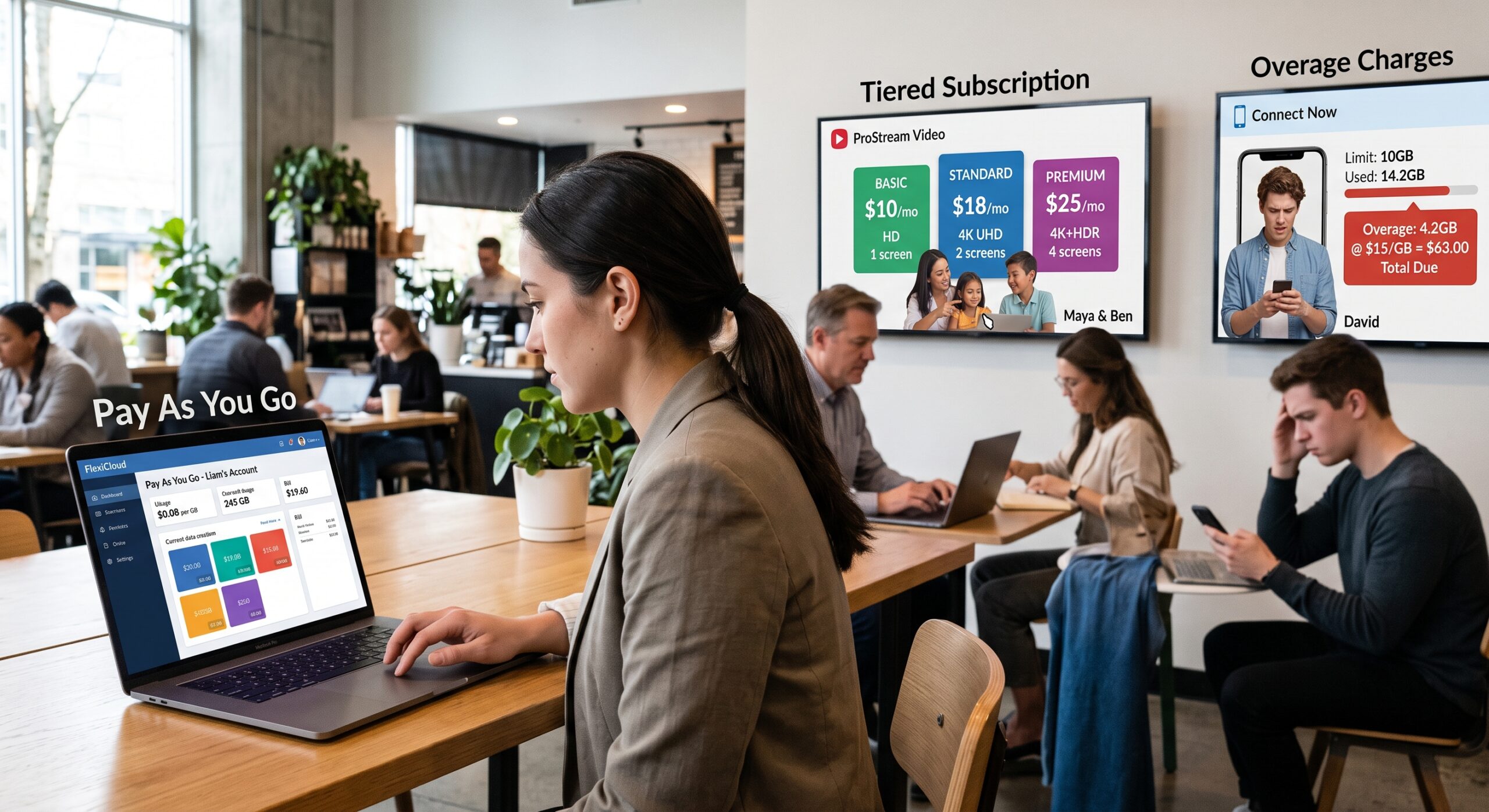
There was a time when businesses survived almost entirely on one-time sales. A customer walked into a store, bought a product, and that was the end of the relationship until the next purchase. Today, that model is rapidly changing.
From streaming platforms and meal kits to software tools and online communities, subscription models have quietly become one of the most powerful business strategies in the modern economy. Consumers now pay monthly for entertainment, cloud storage, fitness apps, music, education, and even coffee deliveries. Businesses love it because it creates predictable revenue. Customers enjoy it because it offers convenience, flexibility, and ongoing value.
The subscription economy is no longer limited to giant tech companies. Small businesses, creators, startups, and local brands are now building loyal communities around recurring memberships and subscription services.
In this article, we’ll explore how subscription models work, why they’ve become so successful, the different types available, their biggest advantages and challenges, and how businesses can build a subscription strategy that actually lasts.
According to industry research from companies like Stripe and Zuora, subscription-based businesses continue to grow because consumers increasingly prefer access, convenience, and flexibility over ownership. (Stripe)
What Is a Subscription Model?
A subscription model is a business approach where customers pay a recurring fee — usually monthly or annually — to continuously access a product or service.
Instead of buying once, customers stay subscribed for ongoing benefits.
Some of the most recognizable examples include:
- Netflix
- Spotify
- Adobe
- Amazon Prime
- Canva
These companies transformed industries by turning occasional buyers into long-term subscribers.
The concept itself is not entirely new. Subscription systems existed centuries ago through newspaper and magazine publishing. But the internet, cloud computing, and digital payments accelerated the model into nearly every industry imaginable. (Wikipedia)
Why Subscription Models Became So Popular
The rise of subscriptions didn’t happen by accident. Several major shifts in consumer behavior helped fuel the trend.
1. People Prefer Convenience
Modern consumers value simplicity. Instead of repeatedly making purchasing decisions, subscriptions automate the process.
A customer no longer has to:
- Buy software every few years
- Purchase DVDs or CDs
- Visit stores for routine products
- Reorder essentials manually
Everything arrives automatically or becomes instantly accessible online.
That convenience creates habit, and habit creates retention.
2. Predictable Revenue Helps Businesses Grow
For businesses, recurring revenue changes everything.
Traditional sales models often create unpredictable cash flow. One month may be strong while another struggles badly. Subscription businesses, however, can forecast income far more accurately because customers pay repeatedly over time.
This allows companies to:
- Plan hiring more effectively
- Invest in product improvements
- Scale operations confidently
- Reduce financial uncertainty
Research from Stripe Billing highlights predictable revenue as one of the biggest reasons businesses adopt subscription models. (Stripe)
3. Ongoing Relationships Are More Valuable
Subscription businesses focus less on one-time transactions and more on long-term customer relationships.
A loyal subscriber often becomes:
- Easier to retain
- More profitable over time
- More likely to upgrade
- More likely to recommend the brand
Instead of constantly chasing new customers, businesses can focus on increasing customer lifetime value.
That shift fundamentally changes marketing, customer support, and product development.
The Main Types of Subscription Models
Not all subscription businesses operate the same way. Several different models exist depending on the industry and customer behavior.
1. SaaS Subscription Model
Software-as-a-Service, commonly called SaaS, is one of the most dominant subscription categories today.
Customers pay recurring fees to access cloud-based software instead of purchasing software licenses outright.
Examples include:
- Salesforce
- Slack
- Microsoft with Microsoft 365
- HubSpot
Benefits of SaaS subscriptions include:
- Automatic updates
- Cloud accessibility
- Lower upfront costs
- Scalable pricing
SaaS has become extremely attractive because businesses rely on continuous software improvements rather than outdated versions installed years ago. (Stripe)
2. Streaming Subscription Services
Streaming changed the entertainment industry permanently.
Consumers shifted from ownership to access.
Instead of buying:
- CDs
- DVDs
- Digital downloads
Users now subscribe for unlimited streaming access.
Major examples include:
- Disney+
- Netflix
- Spotify
- YouTube Premium
This model works especially well because customers constantly consume fresh content.
The more value subscribers receive, the less likely they are to cancel.
3. Subscription Boxes
Subscription boxes exploded in popularity because they combine convenience with surprise and personalization.
Examples include:
- Beauty boxes
- Snack subscriptions
- Coffee subscriptions
- Pet product deliveries
- Book clubs
Customers typically receive curated products every month.
This creates excitement while giving businesses recurring income.
Many eCommerce brands now use subscriptions to improve customer retention and reduce dependence on one-time purchases.
4. Membership Communities
Some subscriptions focus less on products and more on exclusive access.
Examples include:
- Premium communities
- Online learning platforms
- Fitness memberships
- Creator subscriptions
- Coaching programs
Users pay recurring fees to access:
- Courses
- Forums
- Live events
- Networking
- Premium content
This model has grown rapidly alongside the creator economy.
Platforms like Patreon helped normalize paying creators directly for exclusive content.
5. Usage-Based Subscription Models
Not every subscription uses fixed monthly pricing.
Some businesses charge based on usage.
For example:
- Cloud storage
- API requests
- Data processing
- Computing power
Customers pay according to how much they consume.
This pricing model feels fairer for many businesses because costs scale with actual usage.
Amazon Web Services is one of the best-known examples of usage-based billing. (Stripe)
Why Customers Love Subscription Services
Subscription models work because they align closely with modern lifestyles.
Simplicity
Automatic billing reduces friction.
People don’t want to repeatedly make the same purchasing decision every month.
Lower Upfront Costs
Subscriptions spread costs over time.
Instead of paying hundreds of dollars upfront, customers can access services affordably each month.
That’s especially important for software and digital tools.
Continuous Improvement
Subscribers often receive:
- New features
- Better experiences
- Regular updates
- Improved customer support
This creates a feeling that the service keeps evolving.
Personalization
Many subscription businesses use customer data to improve recommendations and experiences.
Streaming platforms suggest content.
Subscription boxes tailor products.
Fitness apps customize programs.
That personalization increases customer satisfaction significantly.
The Biggest Benefits for Businesses
Subscription businesses enjoy several major advantages over traditional sales models.
Predictable Revenue
Recurring payments create stability.
Predictable revenue allows companies to:
- Forecast growth
- Secure investment
- Improve budgeting
- Reduce financial stress
This is one reason investors love subscription-based companies.
Higher Customer Lifetime Value
A one-time customer may spend once and disappear.
A subscriber, however, might stay for years.
Even modest monthly payments can become extremely valuable over time.
For example:
- $20 monthly
- Over 3 years
- Equals $720 from one customer
That changes how businesses approach acquisition and retention.
Better Customer Relationships
Subscription models encourage ongoing engagement.
Businesses interact with subscribers constantly through:
- Emails
- Product updates
- Customer support
- Exclusive offers
- Community features
These touchpoints strengthen brand loyalty.
Easier Upselling Opportunities
Once trust is built, businesses can offer:
- Premium plans
- Add-ons
- Upgrades
- Bundled services
This increases revenue without constantly finding new customers.
The Challenges of Subscription Models
Despite the advantages, subscription businesses are not automatically successful.
Many struggle badly.
Customer Churn
Churn happens when subscribers cancel.
High churn can destroy recurring revenue businesses quickly.
Customers may leave because:
- Pricing feels too high
- Value declines
- Competitors improve
- They forget why they subscribed
Reducing churn is one of the most important priorities for subscription companies. (Stripe)
Subscription Fatigue
Consumers are becoming overwhelmed by too many monthly payments.
People now subscribe to:
- Streaming platforms
- Cloud services
- Productivity tools
- Fitness apps
- Gaming memberships
- Delivery programs
Eventually, customers start cutting unnecessary subscriptions.
Businesses must continuously prove value or risk cancellation.
Constant Pressure to Deliver Value
One-time purchases allow businesses to move on after a sale.
Subscriptions are different.
Customers continually evaluate whether the service remains worth paying for.
That creates ongoing pressure to:
- Improve products
- Add features
- Maintain support quality
- Deliver fresh experiences
Payment Failures
Failed recurring payments create revenue problems.
Expired cards, insufficient funds, or billing errors can lead to involuntary churn.
That’s why subscription businesses invest heavily in billing systems and payment recovery tools.
How Businesses Build Successful Subscription Models
Building a successful subscription business requires far more than adding recurring billing.
The strongest companies focus heavily on customer experience.
Deliver Immediate Value
Customers should quickly understand why the subscription matters.
The faster users experience value, the more likely they are to stay.
Strong onboarding matters enormously.
Keep Pricing Simple
Confusing pricing often scares customers away.
Successful subscription brands usually keep plans:
- Easy to understand
- Clearly differentiated
- Transparent
Complicated pricing creates friction.
Focus on Retention, Not Just Acquisition
Many businesses obsess over gaining subscribers but ignore retention.
A subscription business grows sustainably when customers stay longer.
Retention often matters more than aggressive marketing campaigns.
Continuously Improve the Product
Subscribers expect evolution.
Successful subscription businesses regularly:
- Launch updates
- Improve features
- Expand benefits
- Listen to feedback
Customers want to feel their subscription improves over time.
Build Emotional Loyalty
The best subscription businesses create emotional attachment.
People don’t just pay for access.
They pay for:
- Identity
- Community
- Convenience
- Reliability
- Entertainment
- Transformation
That emotional connection makes cancellations less likely.
The Future of Subscription Models
Subscription businesses are still evolving rapidly.
Several major trends are shaping the future.
AI-Powered Personalization
Artificial intelligence is helping businesses personalize experiences at scale.
This includes:
- Smarter recommendations
- Dynamic pricing
- Predictive retention strategies
- Personalized content
AI will likely make subscriptions feel even more customized.
Hybrid Pricing Models
Many companies now combine:
- Subscription pricing
- Usage-based billing
- Freemium models
- One-time purchases
Hybrid approaches give customers more flexibility.
Subscription Expansion Beyond Digital
Subscriptions are expanding into:
- Healthcare
- Automotive services
- Food delivery
- Fashion
- Education
- Home maintenance
Almost any industry with recurring customer needs can potentially adopt a subscription model.
Greater Focus on Customer Experience
As competition increases, experience becomes the biggest differentiator.
Businesses that feel transactional may struggle.
Brands that create trust, convenience, and emotional connection will likely dominate.
Is the Subscription Model Right for Every Business?
Not always.
Subscription models work best when businesses can provide ongoing value consistently.
A successful subscription business usually has:
- Repeat customer needs
- Regular engagement opportunities
- Long-term value delivery
- Strong customer relationships
If customers only need something once, subscriptions become difficult.
Forcing a subscription onto a product that doesn’t naturally fit can backfire badly.
That’s why some businesses fail after blindly copying subscription trends without understanding customer behavior.
Final Thoughts
Subscription models have transformed the modern economy because they align with how people increasingly want to consume products and services.
Consumers value:
- Convenience
- Flexibility
- Continuous access
- Personalization
Businesses value:
- Predictable revenue
- Customer loyalty
- Long-term growth
- Better forecasting
But successful subscription businesses don’t win simply because they charge monthly fees.
They win because they continually earn customer trust.
The companies thriving in the subscription economy are the ones that consistently deliver meaningful value long after the first payment is made.
As competition grows and consumers become more selective about what they subscribe to, businesses that focus on genuine customer experience — not just recurring revenue — will be the ones that survive and grow.