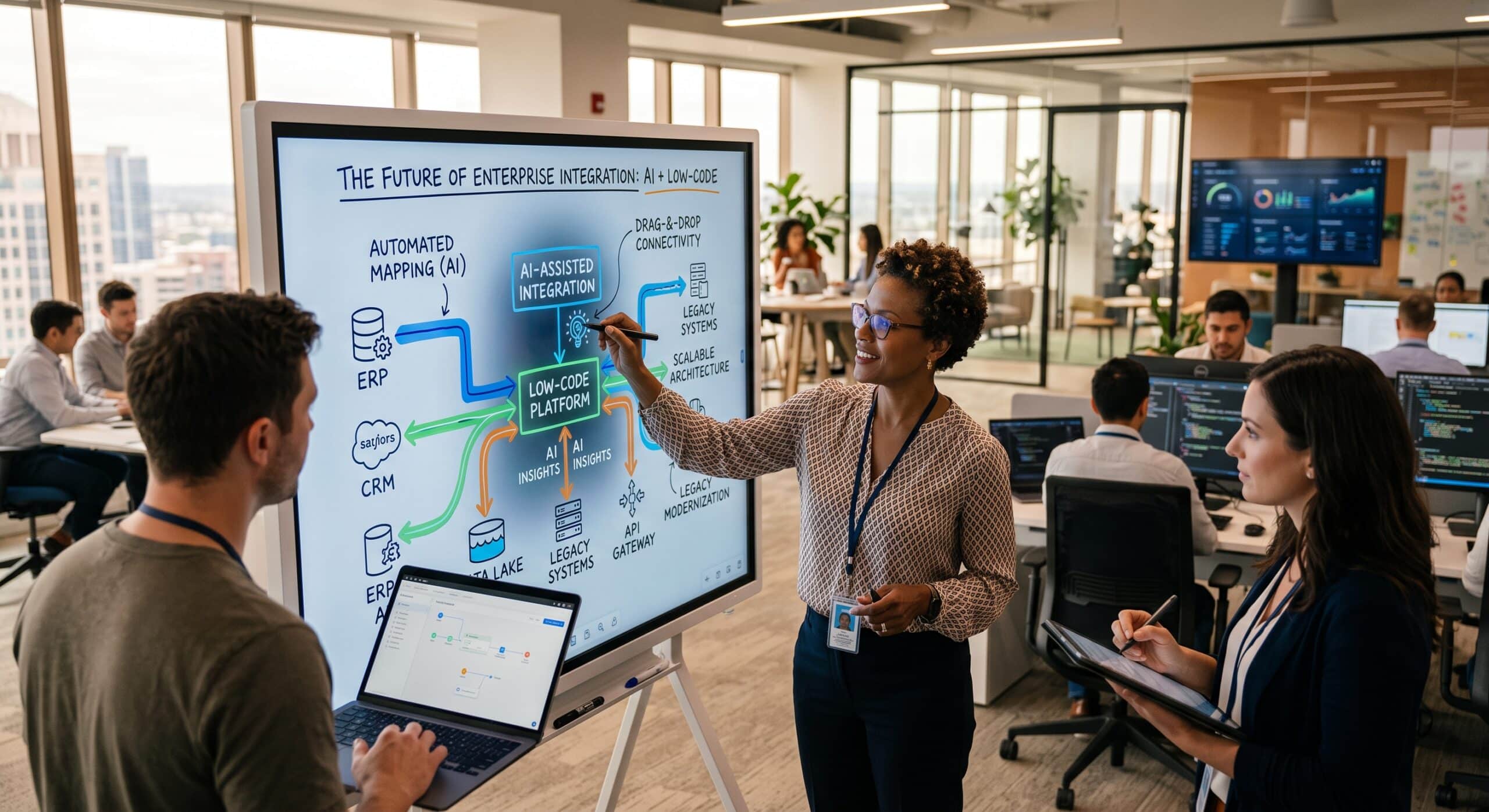
The future of software systems is being shaped by rapid technological advancement, evolving business needs, and the growing demand for scalable, intelligent, and resilient applications. As organizations continue to digitize operations, software systems are no longer just tools—they are the backbone of innovation, automation, and competitive advantage.
In 2026 and beyond, software systems are expected to become more autonomous, interconnected, and adaptive. Emerging technologies such as artificial intelligence (AI), cloud-native architectures, edge computing, and distributed systems are redefining how software is designed, deployed, and maintained.
This guide explores the key trends, technologies, architectures, and best practices that define the future of software systems.
What Are Modern Software Systems?
Modern software systems refer to applications and platforms designed using scalable, modular, and cloud-based architectures. Unlike traditional monolithic systems, modern systems emphasize flexibility, performance, and continuous evolution.
Key characteristics include:
- Modular architecture (microservices-based)
- Cloud-native deployment
- Real-time data processing
- High availability and fault tolerance
- Continuous integration and delivery (CI/CD)
These systems are designed to adapt quickly to changing requirements and user demands.
Key Technologies Driving the Future
Artificial Intelligence and Machine Learning
AI and machine learning are transforming software systems by enabling intelligent decision-making and automation. Future systems will not only process data but also learn from it.
Applications include:
- Predictive analytics
- Automated customer support (chatbots)
- Fraud detection systems
- Intelligent recommendation engines
AI-driven systems reduce human intervention and improve efficiency.
Cloud Computing and Cloud-Native Development
Cloud computing remains a foundational technology for modern software systems. Modern applications rely heavily on cloud-native software systems to scale efficiently and support AI-driven workloads, enabling distributed processing and high availability across global environments. Cloud-native development focuses on building applications specifically for cloud environments.
Benefits include:
- Scalability on demand
- Reduced infrastructure costs
- Faster deployment cycles
- Global accessibility
Technologies such as containers and orchestration platforms enable efficient cloud operations.
Microservices Architecture
Microservices architecture breaks applications into smaller, independent services that communicate through APIs.
Advantages:
- Easier scalability
- Faster development cycles
- Improved fault isolation
- Flexibility in technology stacks
This approach enables teams to develop, deploy, and scale services independently.
Edge Computing
Edge computing processes data closer to its source rather than relying solely on centralized cloud servers.
Use cases include:
- IoT devices
- Autonomous vehicles
- Real-time analytics
Benefits:
- Reduced latency
- Improved performance
- Lower bandwidth usage
DevOps and Automation
DevOps practices streamline development and operations by automating workflows and fostering collaboration.
Core components:
- Continuous integration (CI)
- Continuous delivery (CD)
- Infrastructure as Code (IaC)
- Automated testing
DevOps ensures faster and more reliable software delivery.
Emerging Trends in Software Systems
1. AI-Native Applications
Future software systems will be built with AI at their core rather than as an add-on feature. These systems will:
- Adapt to user behavior
- Optimize processes automatically
- Provide real-time insights
AI-native applications will dominate industries such as healthcare, finance, and e-commerce.
2. Serverless Computing
Serverless architecture allows developers to run code without managing infrastructure.
Benefits:
- Reduced operational overhead
- Automatic scaling
- Pay-as-you-go pricing
This model is ideal for event-driven applications.
3. Low-Code and No-Code Platforms
Low-code platforms enable faster application development with minimal coding.
Impact:
- Accelerates development cycles
- Enables non-developers to build applications
- Reduces dependency on large development teams
4. API-First Development
API-first design ensures that systems are built with integration in mind.
Advantages:
- Improved interoperability
- Easier third-party integrations
- Better scalability
APIs are essential for modern distributed systems.
5. Cybersecurity-First Architecture
As threats increase, security is becoming a core component of software design.
Key practices:
- Zero-trust architecture
- End-to-end encryption
- Continuous monitoring
Security is no longer optional—it is built into every layer.
Architecture of Future Software Systems
Modern software systems rely on layered and distributed architectures.
1. Frontend Layer
User interfaces built with responsive and dynamic frameworks.
2. Backend Services
Microservices handling business logic and processing.
3. Data Layer
Databases optimized for performance and scalability (SQL and NoSQL).
4. Integration Layer
APIs and middleware connecting services.
5. Infrastructure Layer
Cloud platforms, containers, and orchestration systems.
This architecture ensures scalability, resilience, and flexibility.
Benefits of Future Software Systems
Scalability
Modern systems can scale dynamically based on demand, ensuring consistent performance.
Flexibility
Modular design allows developers to update or replace components without affecting the entire system.
Faster Time-to-Market
Automation and DevOps practices enable rapid development and deployment.
Improved Reliability
Distributed systems reduce single points of failure, improving uptime.
Enhanced User Experience
AI and real-time processing deliver personalized and responsive experiences.
Challenges to Overcome
Complexity
Distributed systems are more complex to design and manage.
Security Risks
Increased connectivity expands the attack surface.
Skills Gap
Organizations need skilled professionals in AI, cloud, and DevOps.
Integration Issues
Legacy systems may not integrate easily with modern architectures.
Cost Management
Cloud and advanced technologies can lead to unexpected costs if not managed properly.
Real-World Applications
E-Commerce Platforms
Modern systems use AI for personalization and cloud for scalability.
Financial Services
Banks use real-time processing and AI for fraud detection and risk analysis.
Healthcare Systems
Software systems enable remote monitoring, diagnostics, and patient data management.
Smart Cities
Software systems power infrastructure, transportation, and public services.
Future Outlook
The future of software systems is focused on intelligence, automation, and decentralization. Key developments to watch include:
- Autonomous systems that operate without human intervention
- Integration of AI into every application layer
- Expansion of edge computing for real-time processing
- Increased adoption of blockchain for secure transactions
Software systems will continue to evolve into highly adaptive ecosystems capable of responding to real-world changes instantly.
Best Practices for Building Future-Ready Systems
Design for Scalability
Use cloud-native and microservices architectures.
Prioritize Security
Implement zero-trust and encryption from the start.
Embrace Automation
Adopt DevOps and CI/CD pipelines.
Focus on User Experience
Leverage AI for personalization and responsiveness.
Plan for Integration
Use API-first design for seamless connectivity.
Conclusion
The future of software systems is dynamic, intelligent, and deeply integrated into every aspect of modern life. As technologies such as AI, cloud computing, and edge processing continue to advance, software systems will become more autonomous and efficient.
Organizations that embrace these changes and invest in modern architectures will gain a significant competitive advantage. By focusing on scalability, security, and innovation, businesses can build future-ready systems that meet the demands of a rapidly evolving digital landscape.